Choosing Rock Drilling Inserts for Abrasive and High-Impact Formations
A field-oriented guide to matching cemented carbide insert grades, button shapes, and sizes to rock hardness, abrasiveness, and drill rig duty.
The insert is the wear part that decides drilling economics
In top hammer, down-the-hole (DTH), and tunneling drilling, the cemented carbide insert is where rock meets tool. Grade selection and geometry drive penetration rate, service life, and regrind intervals — usually more than any other single component decision on the drill string.
Match grade to formation
The same hardness-toughness logic from carbide metallurgy applies directly in the field:
- Hard, abrasive rock: harder grades with finer grain structure maximize wear resistance and hold button profiles
- Soft, plastic rock: toughness-oriented grades resist Button Smearing and plastic deformation
- Fractured, high-impact ground: coarser grades and larger buttons tolerate shock and cross-loading
Button shape and size
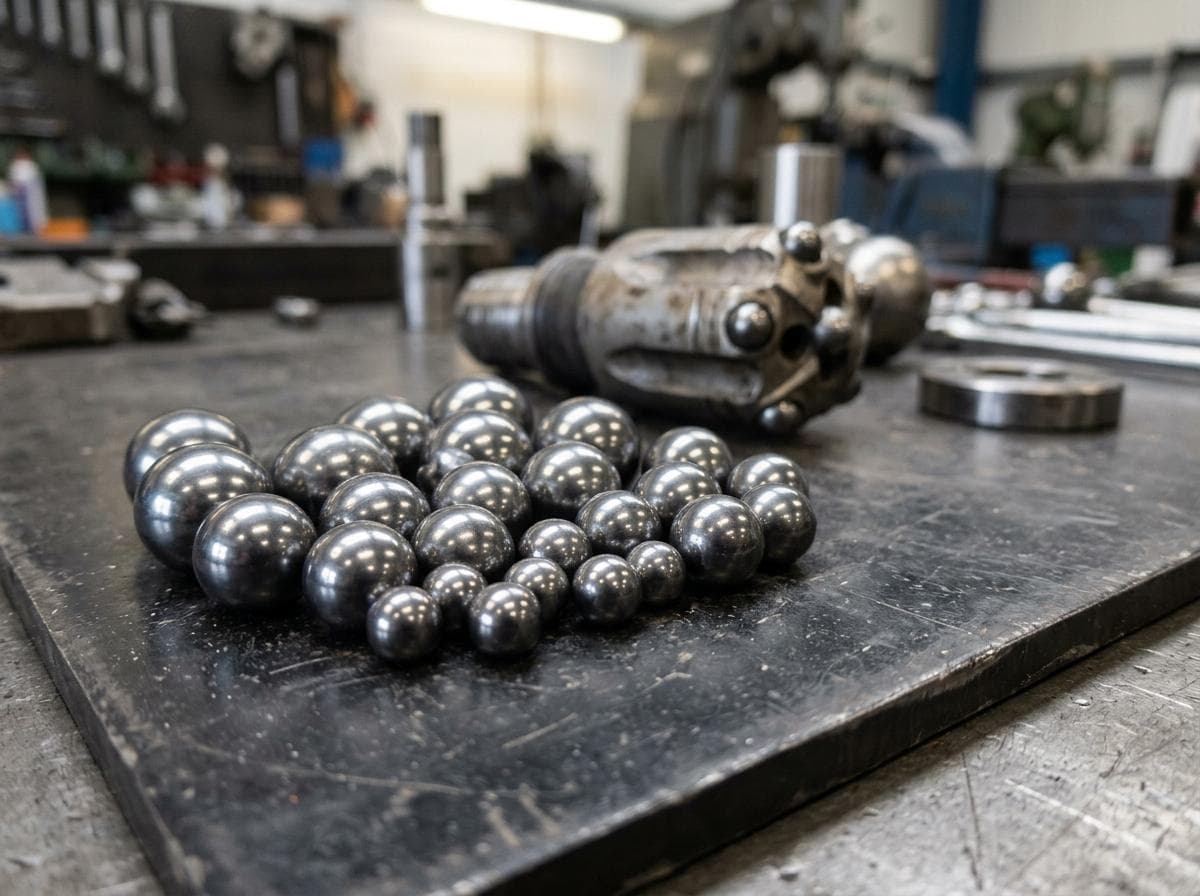
Domed and ballistic buttons balance penetration and life in general purpose drilling; parabolic buttons concentrate energy for hard rock; flat-top and wedge geometries serve specific road-planing and cutting duties. Larger diameters carry more impact energy but require more space in the bit body.
What to send with an insert RFQ
Insert buyers get the best quotation turnaround when the requirement package includes:
- Bit type and diameter (top hammer, DTH, tunneling, or geological)
- Formation description: hardness class and abrasiveness
- Insert drawing or reference with diameter, height, taper, and tolerance
- Target grade or the application description if grade guidance is needed
- Annual volume and whether trial lots are planned
Summary
Formation hardness and impact level point to the grade; bit design points to the geometry. Sharing both with volume plans lets the supplier propose a grade that balances life and cost instead of defaulting to a catalog guess.