W >= 99.95%
Target purity
Material basis for custom pure tungsten EDM electrodes.
Custom Mold-Machining Tooling
Drawing-based tungsten electrodes for complex mold cavities, deep narrow slots, delicate ribs, inclined surfaces, and special profiles where copper or graphite may lose working geometry too quickly.
Open the popup to share your mold drawing, dimensions, or quantity target.
.jpg&w=3840&q=75)
.jpg&w=3840&q=75)
.jpg&w=3840&q=75)
Actual product profiles
02 / Material Decision
The right electrode material depends on the mold feature, cycle length, geometry, finish target, and replacement cost. Tungsten is positioned for difficult finishing work where working-profile stability carries more value than the lowest blank price.
| Comparison Item | Pure Tungsten Electrode | Copper Electrode | Graphite Electrode | Practical Buyer Impact |
|---|---|---|---|---|
| Electrode wear tendency | Low erosion loss supports longer finishing cycles and more stable working geometry. | Wear can become significant during extended spark erosion. | Moderate wear, with edge breakdown depending on grade and profile. | Fewer interruptions and less profile rework on demanding jobs. |
| Thin or delicate profiles | High stiffness helps slender and fine features retain their intended form. | Soft thin sections may deflect during manufacture or handling. | Brittle edges can chip on narrow or detailed profiles. | Better fit for critical ribs, narrow slots, and detailed cavity features. |
| Thermal resistance | 3422 C melting point supports severe thermal conditions during discharge. | 1085 C melting point; excellent conductivity but lower heat resistance. | High temperature capability but lower mechanical strength. | More consistent geometry during long or thermally demanding EDM cycles. |
| Machining tradeoff | Requires a controlled machining route and technical review. | Easy to machine and economical for simpler electrodes. | Easy to mill but creates dust and needs careful edge handling. | Material selection is matched to the value and difficulty of the mold feature. |
| Best-fit use | Precision finishing, deep cavities, narrow slots, and complex mold details. | General-purpose work and simpler short-run electrodes. | Large roughing electrodes and applications suited to its machinability. | Use tungsten where electrode stability matters more than lowest blank cost. |
03 / Material Performance
All core material properties are concentrated here so engineers can assess the product without searching through repeated claims.
W >= 99.95%
Material basis for custom pure tungsten EDM electrodes.
3422 C
High thermal resistance during repeated spark discharge.
19.3 g/cm3
Dense, rigid material for stable precision profiles.
Drawing review
Critical tolerances are confirmed against geometry and inspection method.
04 / Engineering Lookup
Use this table for initial fit. Final dimensions, tolerance, inspection method, and acceptance criteria are confirmed against the RFQ drawing.
| Product type | Custom pure tungsten sinker EDM electrode |
|---|---|
| Material | Pure tungsten |
| Purity target | W >= 99.95% |
| Density | Approx. 19.3 g/cm3 |
| Melting point | Approx. 3422 C |
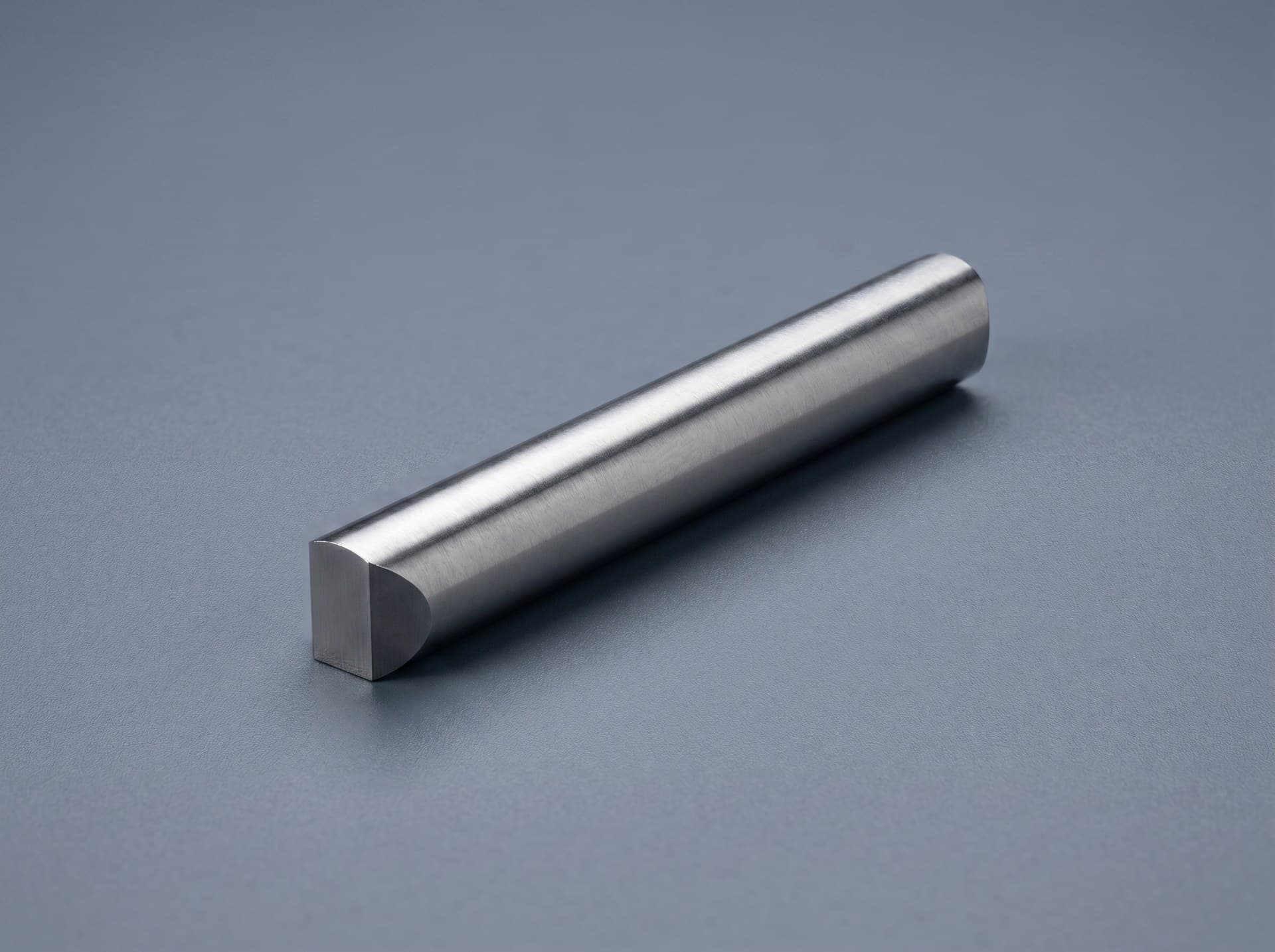
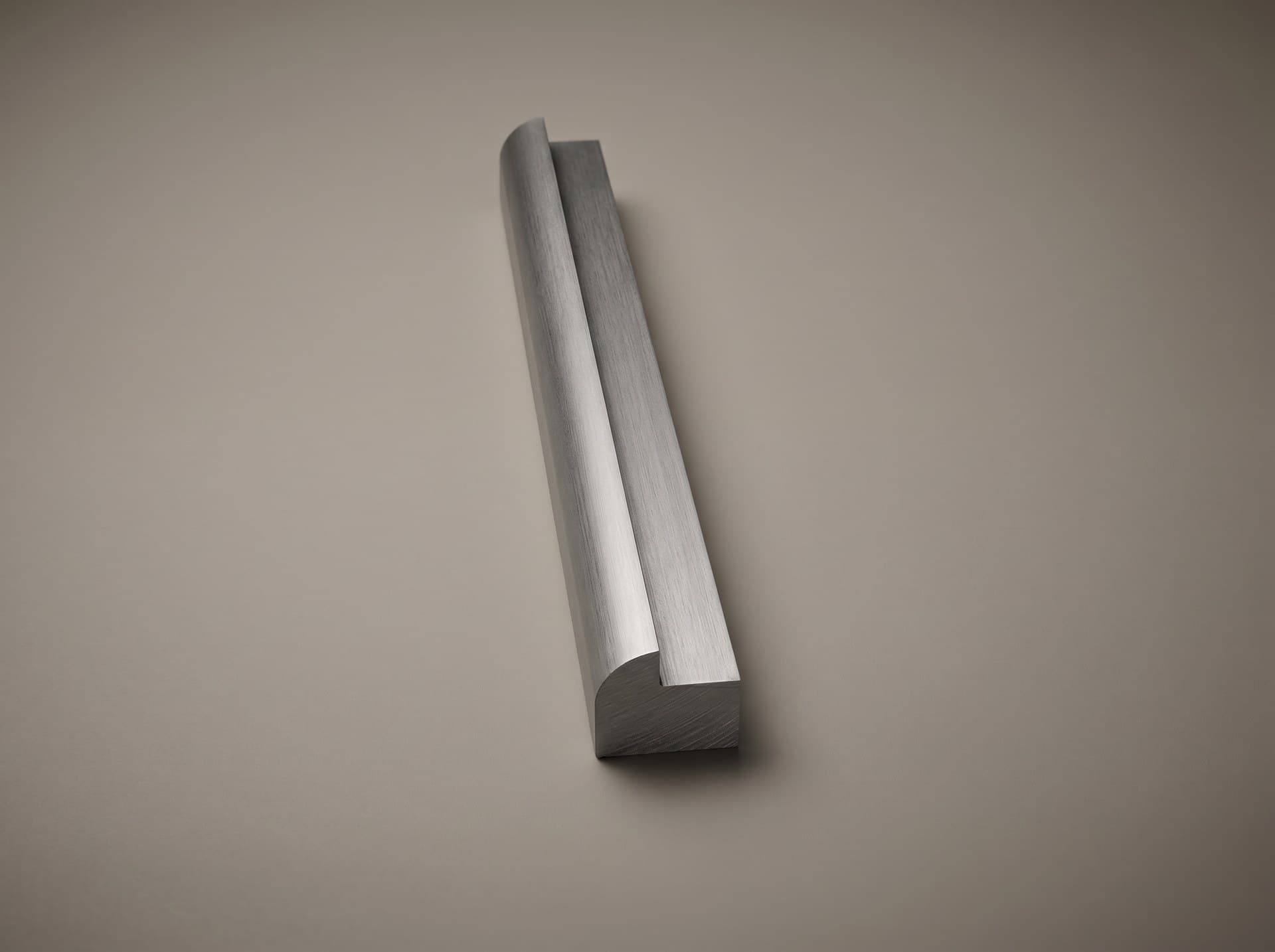
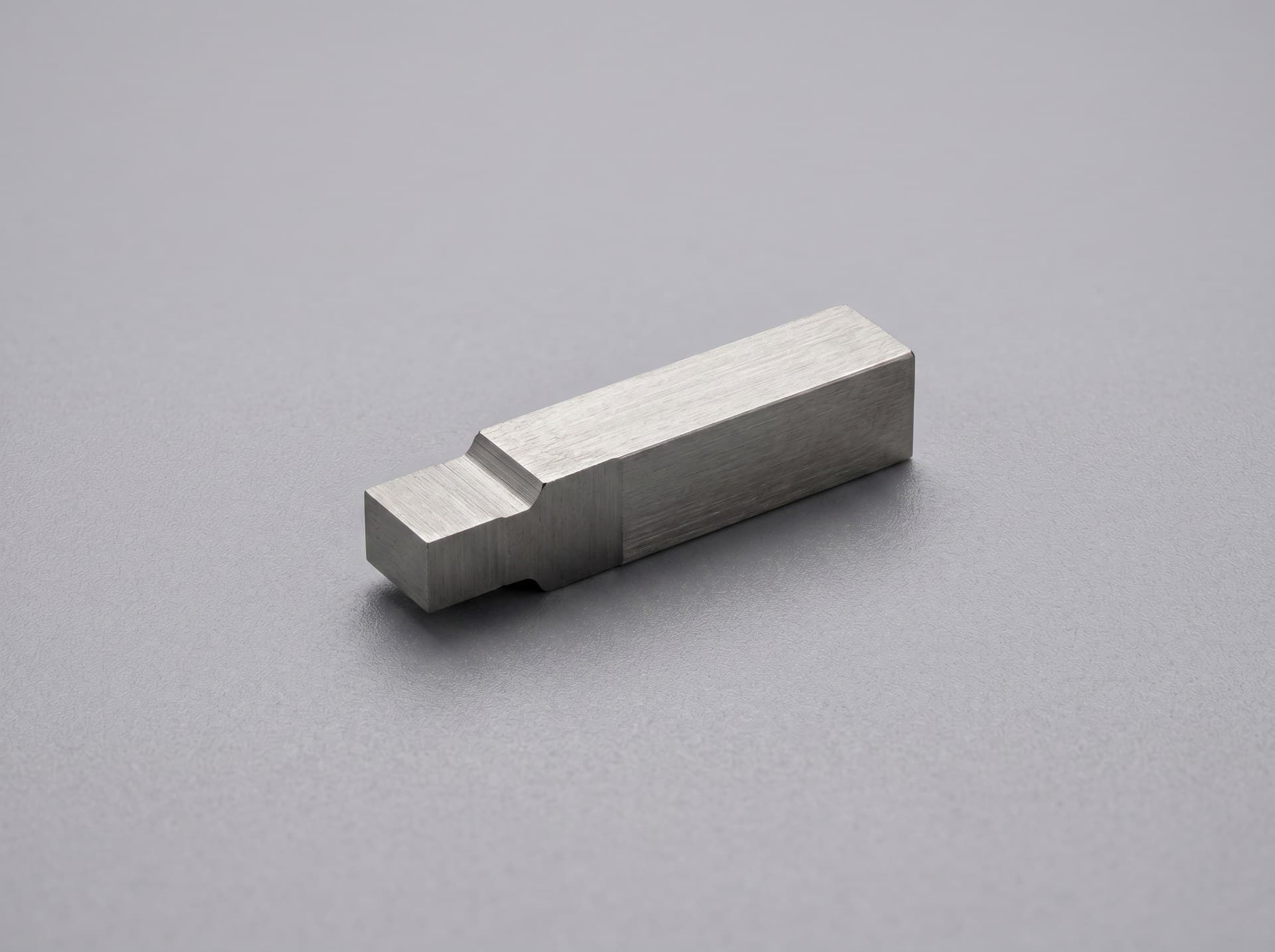
| Profiles | Flat, cylindrical, stepped, tapered, inclined, and special shape |
| Dimensions | Custom to drawing or physical sample |
| Tolerance | Reviewed by profile, size, critical surface, and inspection requirement |
| Inspection | Critical dimensions, geometry, edge condition, and surface review |
| RFQ input | 2D/3D drawing, tolerance, quantity, mold feature, and EDM condition |
05 / Drawing to Part
Profile type, working surface, tolerance, and inspection method are reviewed together before a custom electrode moves into production.
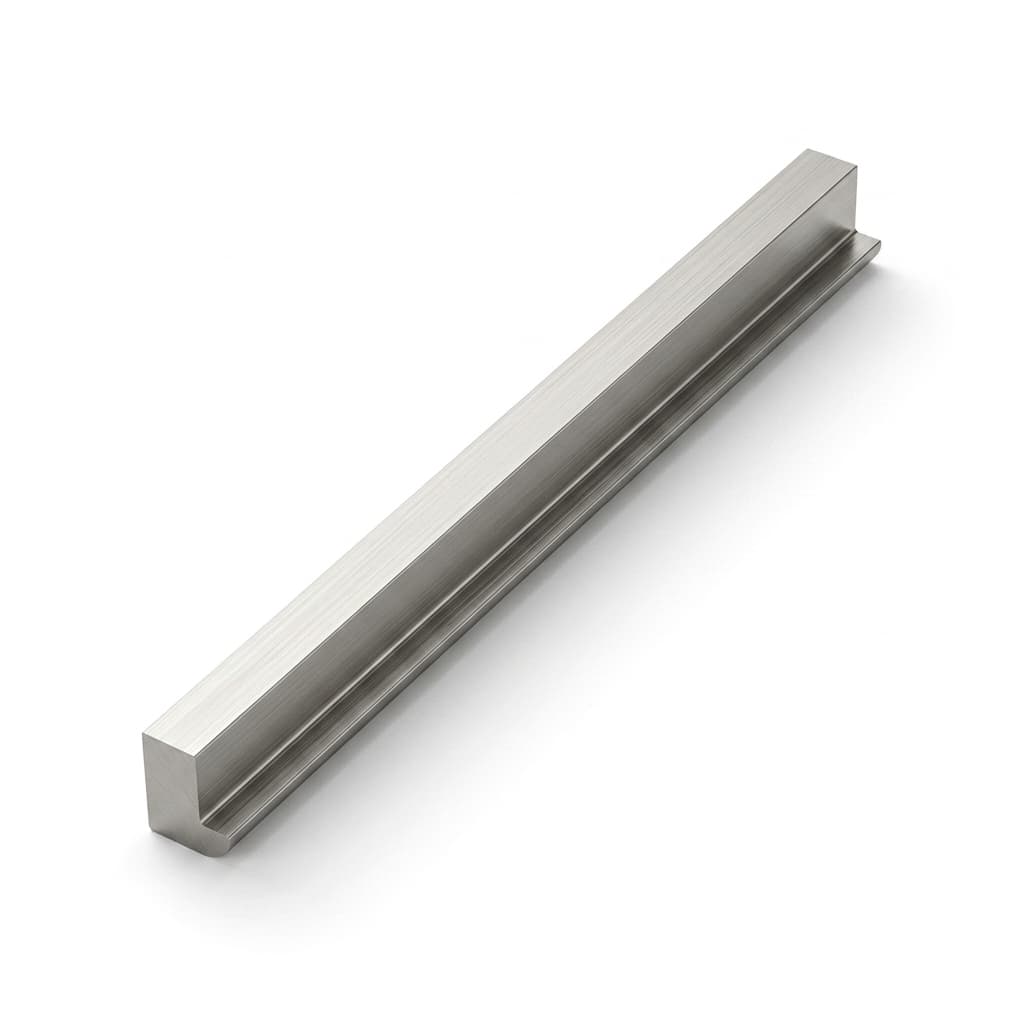
Straight working faces for slots, ribs, and defined cavity features.
Multi-level geometry for layered or staged cavity details.
Round sections and shaft-based custom electrode forms.
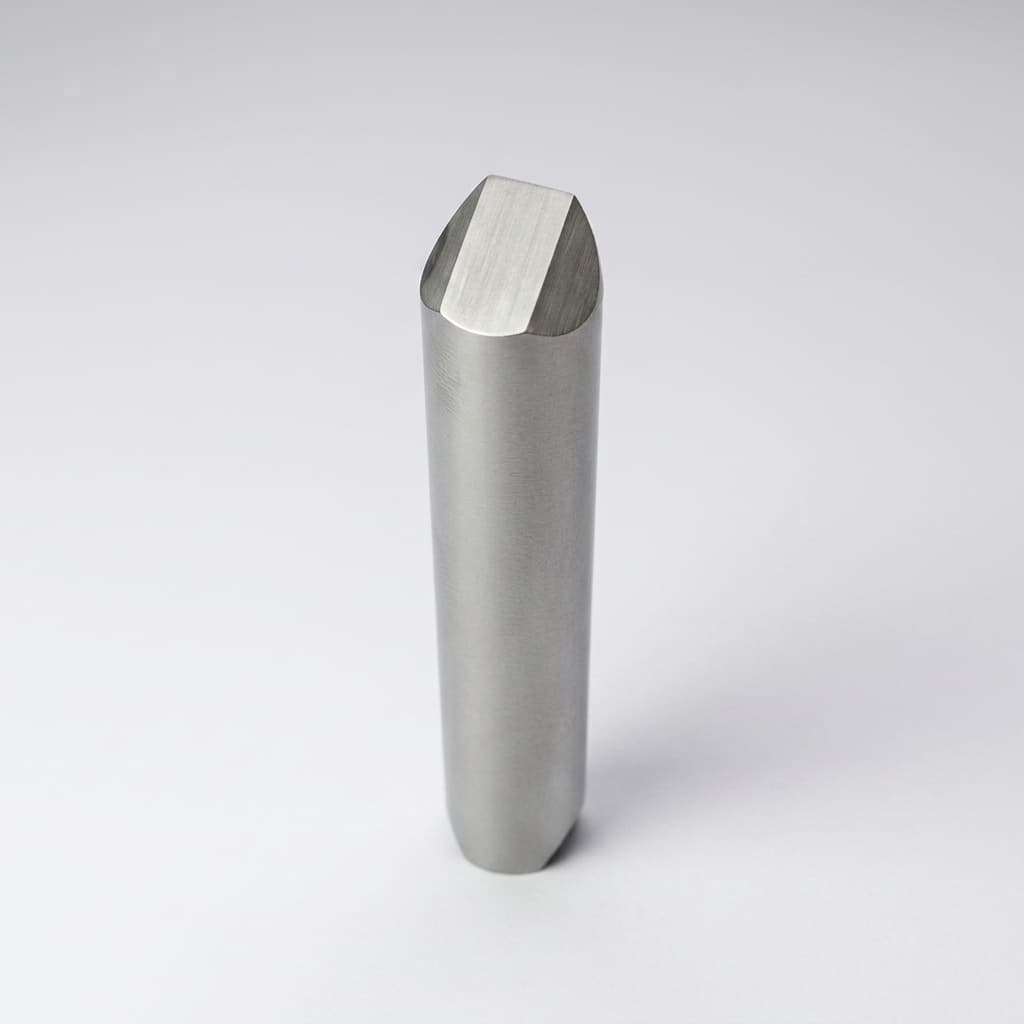
Drawing-defined contours for angled and irregular mold features.
01
Share 2D/3D files, sample photos, dimensions, quantity, and the target mold feature.
02
Profile geometry, tolerance logic, material use, inspection, and quotation inputs are checked.
03
Machining sequence and critical working surfaces are defined before production.
04
Specified dimensions, geometry, surface, and edge condition are checked before release.
05
Parts are identified and protected against impact, moisture, and profile damage.
06 / Use Cases
These briefs show how buyers can frame a trial. Each is a typical application brief, not a claimed customer result.
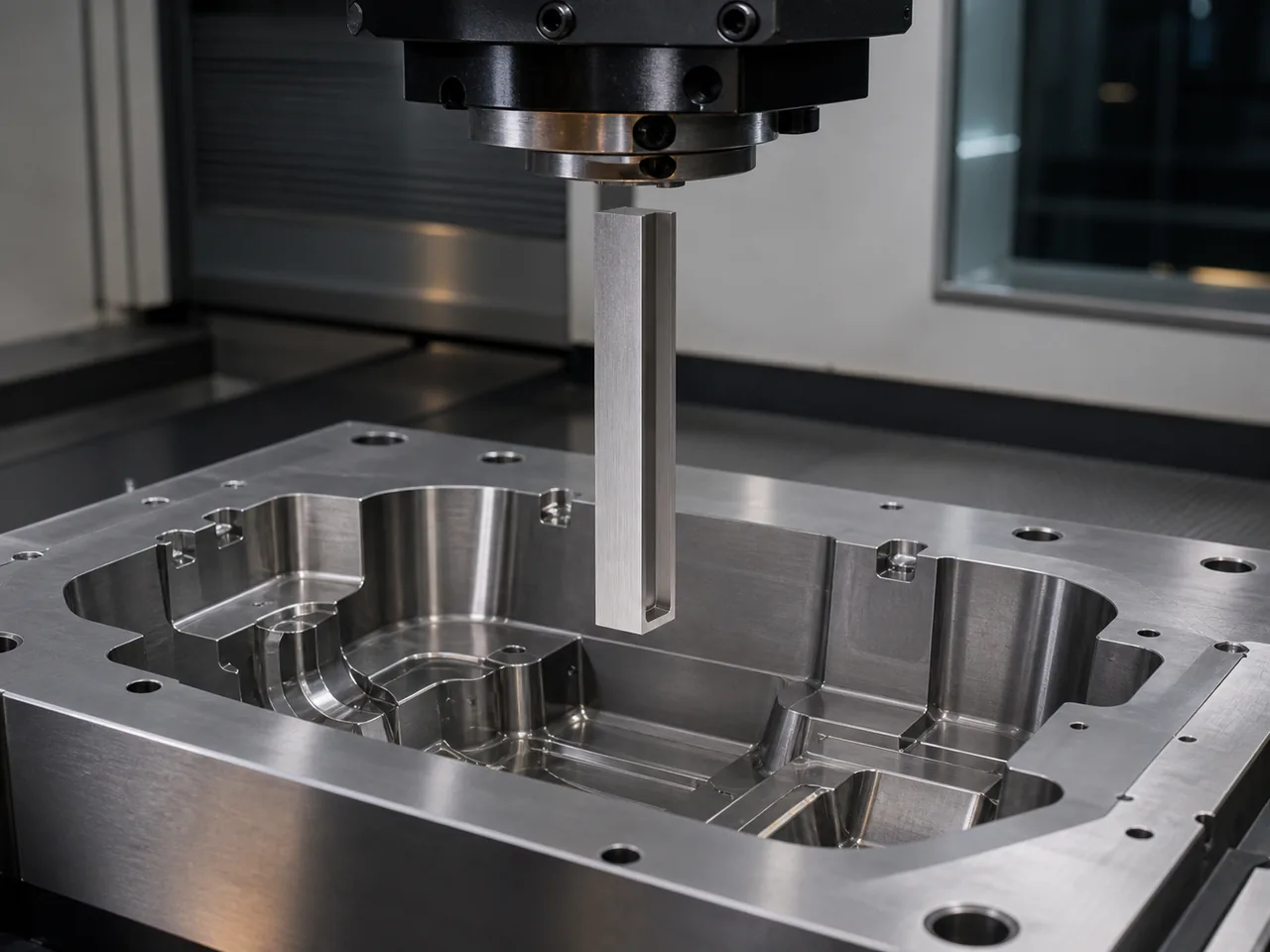
Automotive die-casting molds
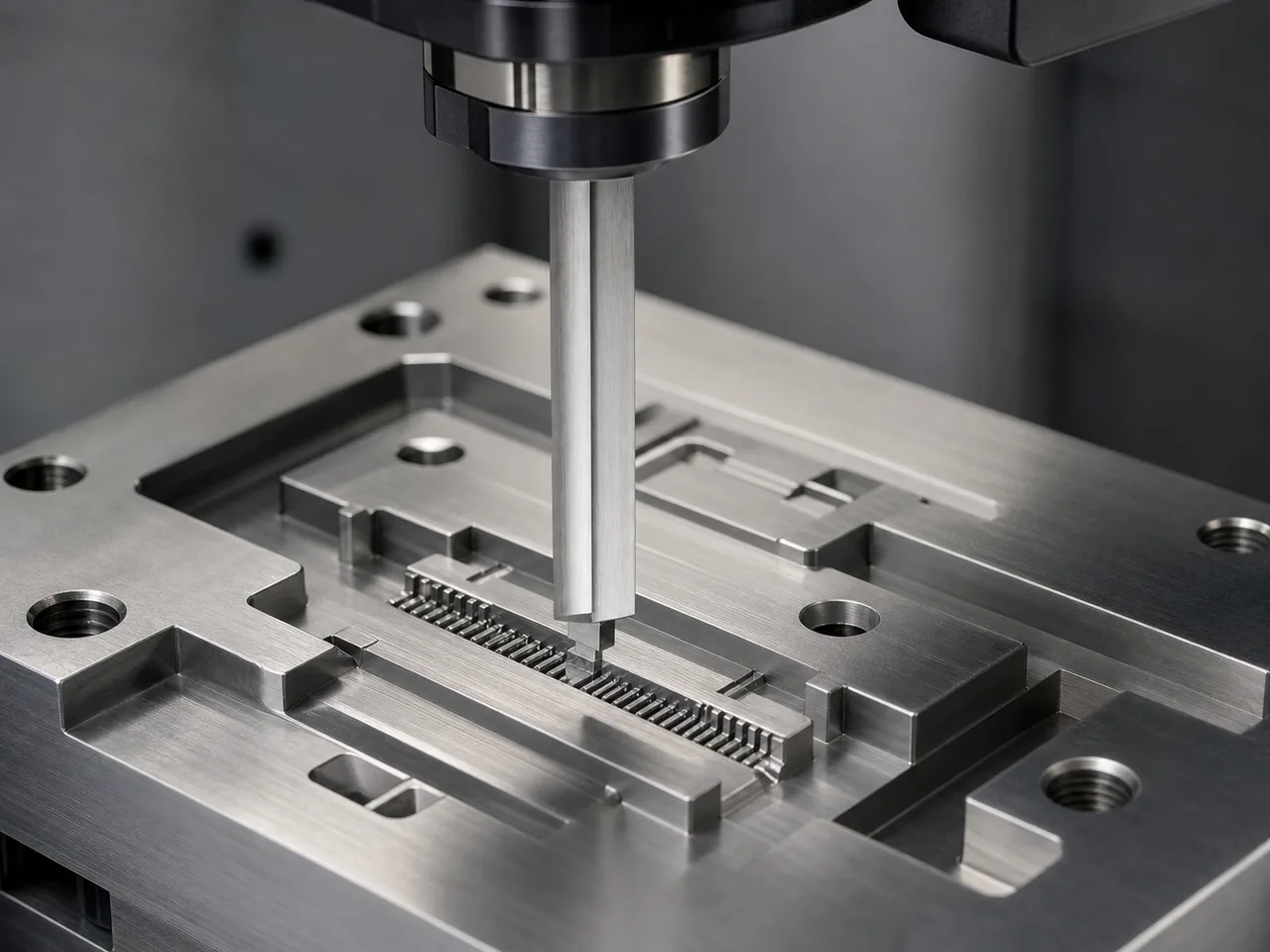
Electronic connector molds
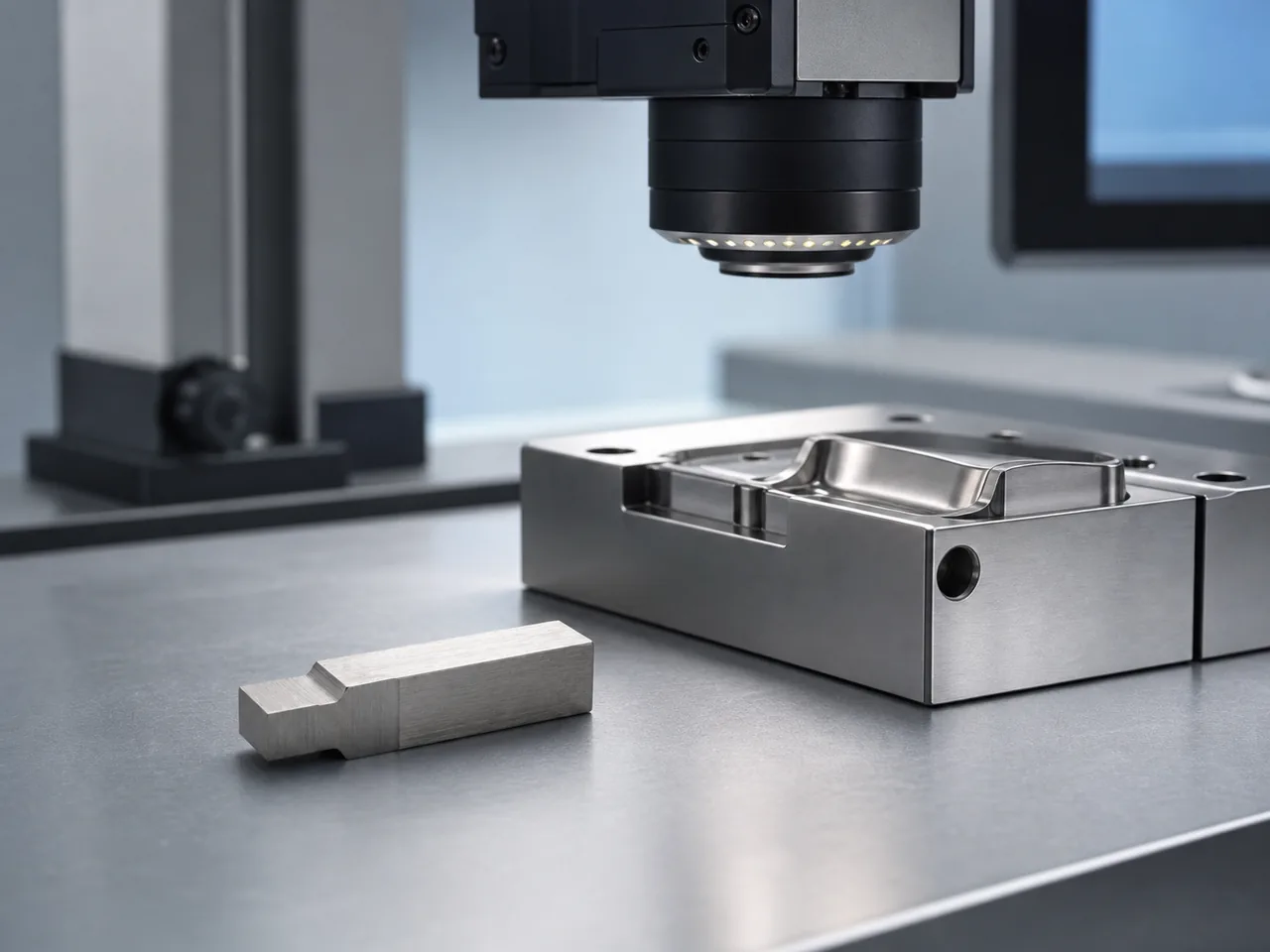
Medical-device molds
07 / Hard Proof for Buyers
Production, inspection, packing, and delivery evidence for custom electrodes is defined by the RFQ and order agreement. Zhuzhou Weison Advanced Materials Co., Ltd. can align the requested records before quotation.
Purity requirement, incoming material identity, and order batch can be aligned before production.
Working faces and special geometry are machined around the confirmed drawing and process route.
Critical dimensions and geometric features are checked using an agreed inspection method.
Working surfaces, fragile edges, and visible defects are reviewed before release.
Customer drawings are used for quotation and production review; NDA available on request.
Profile protection, labeling, moisture control, and shipment documents are agreed by order.
Proof points for drawing-based electrode sourcing are confirmed before order; no certificate or report is represented on this page as an issued document.
Procurement details we can confirm before order are listed in the next section.
08 / Buyer Decision Info
Procurement details for custom pure tungsten EDM electrodes are concentrated here so buyers can qualify the order before releasing a drawing.
Trial quantities can be reviewed when the drawing, dimensions, application, and expected repeat demand are clear.
Confirmed with quotation according to material size, machining complexity, and order quantity.
Normally 12-24 business hours after complete drawings and RFQ details are received.
Confirmed after profile complexity, quantity, tolerance, and inspection scope are reviewed.
Individual profile protection and moisture-resistant export packing can be specified before order.
Material certificate by order agreement; dimensional inspection records available by order agreement.
Controlled drawing use and NDA signing are available for proprietary mold projects.
Documented dimensional issues are reviewed against the approved drawing and agreed acceptance criteria.
Trial quantities and repeat-order support are reviewed against the technical RFQ.
09 / Engineer Questions
Clear answers for mold makers, sourcing teams, and engineers evaluating a custom tungsten electrode RFQ.
No. This page is for custom pure tungsten sinker EDM electrodes used as tooling in die-sinking mold machining, not standard TIG welding rods.
PDF, DWG, DXF, STEP, STP, and clear sample photos with complete dimensions can be reviewed.
Flat, cylindrical, stepped, tapered, inclined, and irregular profiles can be evaluated from drawings or physical samples.
Tolerance depends on profile geometry, size, critical surface, and inspection method. Send the drawing so the achievable range can be confirmed.
Qualified trial quantities can be discussed before repeat production. MOQ is confirmed with the quotation.
Material certificates and dimensional inspection records can be included when agreed in the order requirements.
Files are used for quotation and production review, access can be controlled, and an NDA is available on request.
Provide the drawing or sample, critical dimensions and tolerances, quantity, target mold feature, EDM condition, and inspection or packing requirements.
Actual Product Views
10 / Technical RFQ
Receive a drawing-based review covering profile feasibility, critical tolerances, inspection, trial quantity, packing, and quotation inputs.