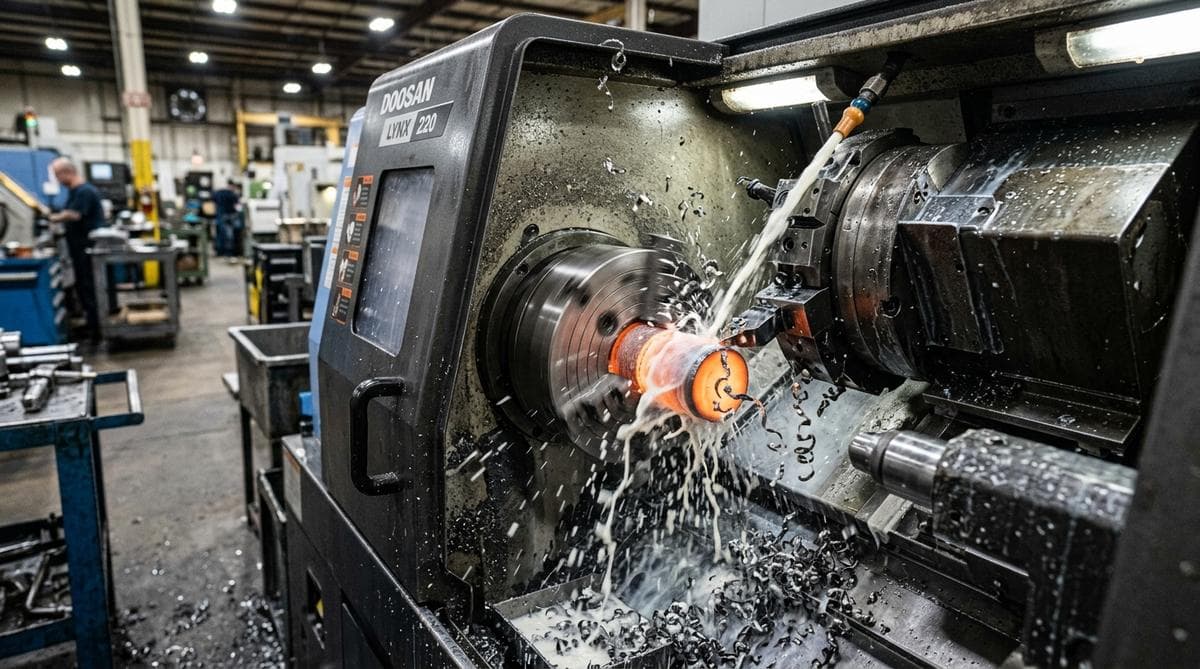
Factory production workflow
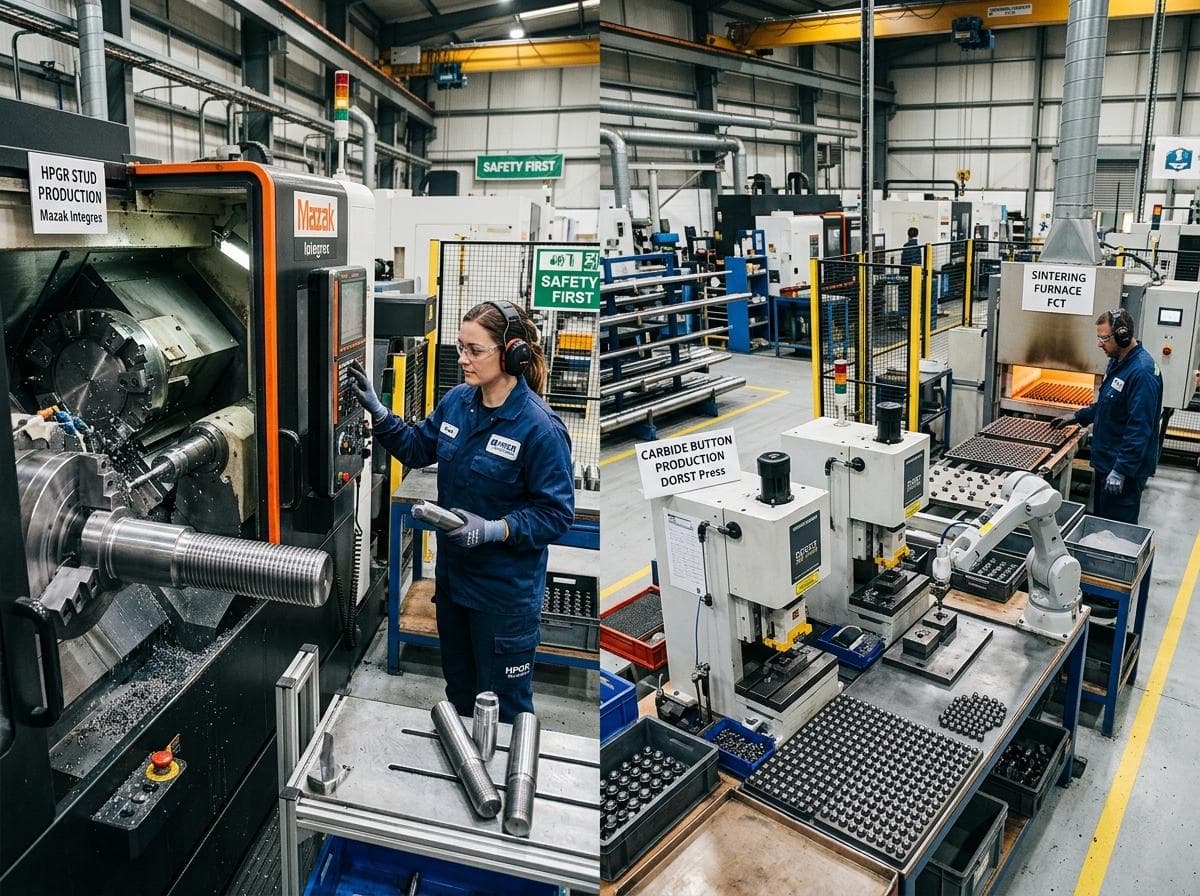
Material preparation, forming or machining route, finishing, inspection, packing, and shipment are reviewed as one supply workflow, not as isolated catalog items.
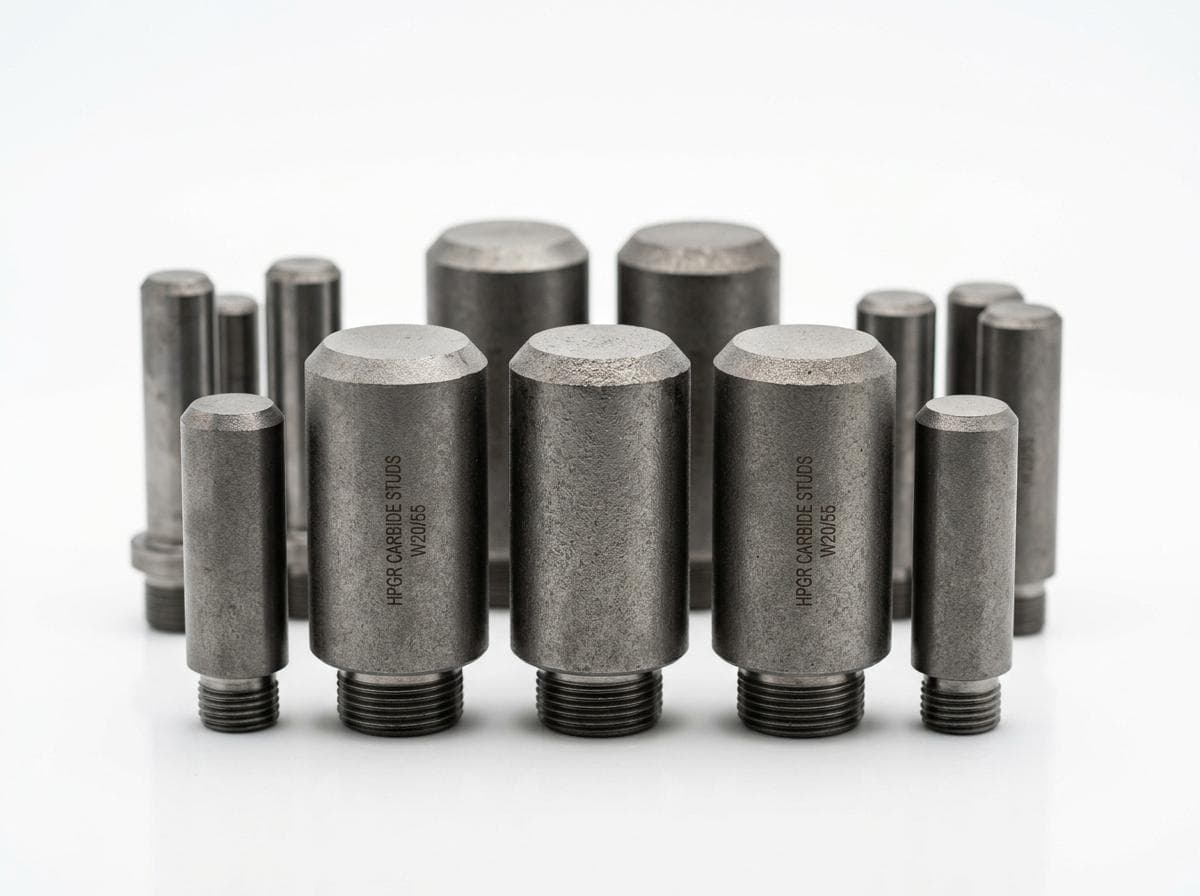
High-performance tungsten carbide studs for High Pressure Grinding Rolls designed to improve wear resistance, protect roll surfaces, and support stable operation in demanding mineral and material processing environments.
Upload drawings, specifications, or repeat-order details in the popup.
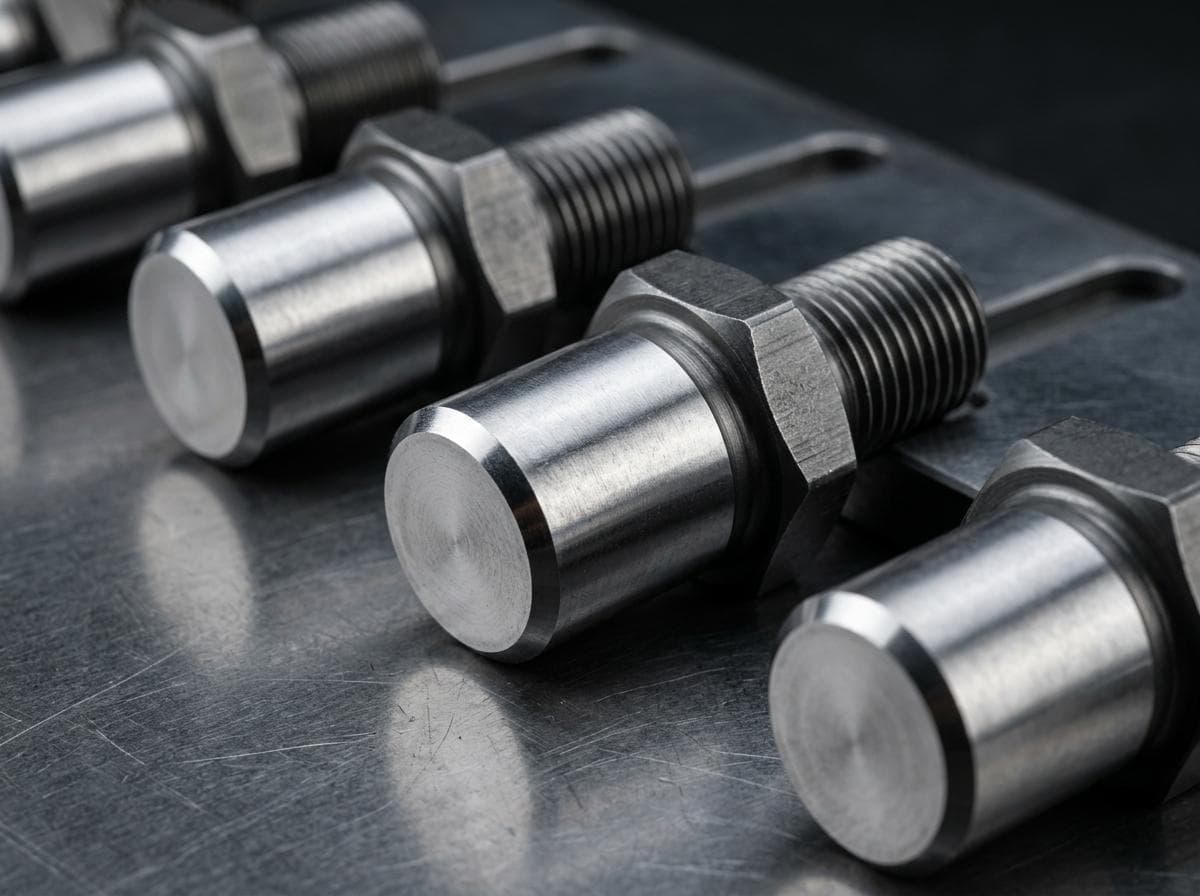
Manufacturing details, inspection discipline, and RFQ clarity for industrial buyers.
High hardness (HRA 86.5-90.0) for longer service life in highly abrasive grinding environments with ore and mineral processing.
Helps protect HPGR roll surfaces and reduce premature wear-related damage in continuous operation.
Suitable for high-pressure extrusion and abrasive wear coexisting conditions with transverse rupture strength of 2400-3200 MPa.
Supports stable grinding performance in continuous industrial operation for improved plant efficiency.
Reduces maintenance frequency and downtime with extended service life in demanding processing conditions.
Available for standard and custom requirements to match different HPGR system needs and roll designs.
Hard Proof for Buyers
Industrial buyers need more than broad claims like high performance or stable quality. This section shows the practical proof points we can discuss before quotation: factory workflow, inspection control, report availability, MOQ, lead time, packing, and export support.
Material preparation, forming or machining route, finishing, inspection, packing, and shipment are reviewed as one supply workflow, not as isolated catalog items.

Dimensional checks, surface review, batch identification, and inspection records can be aligned with the product drawing, specification, or repeat-order requirement.

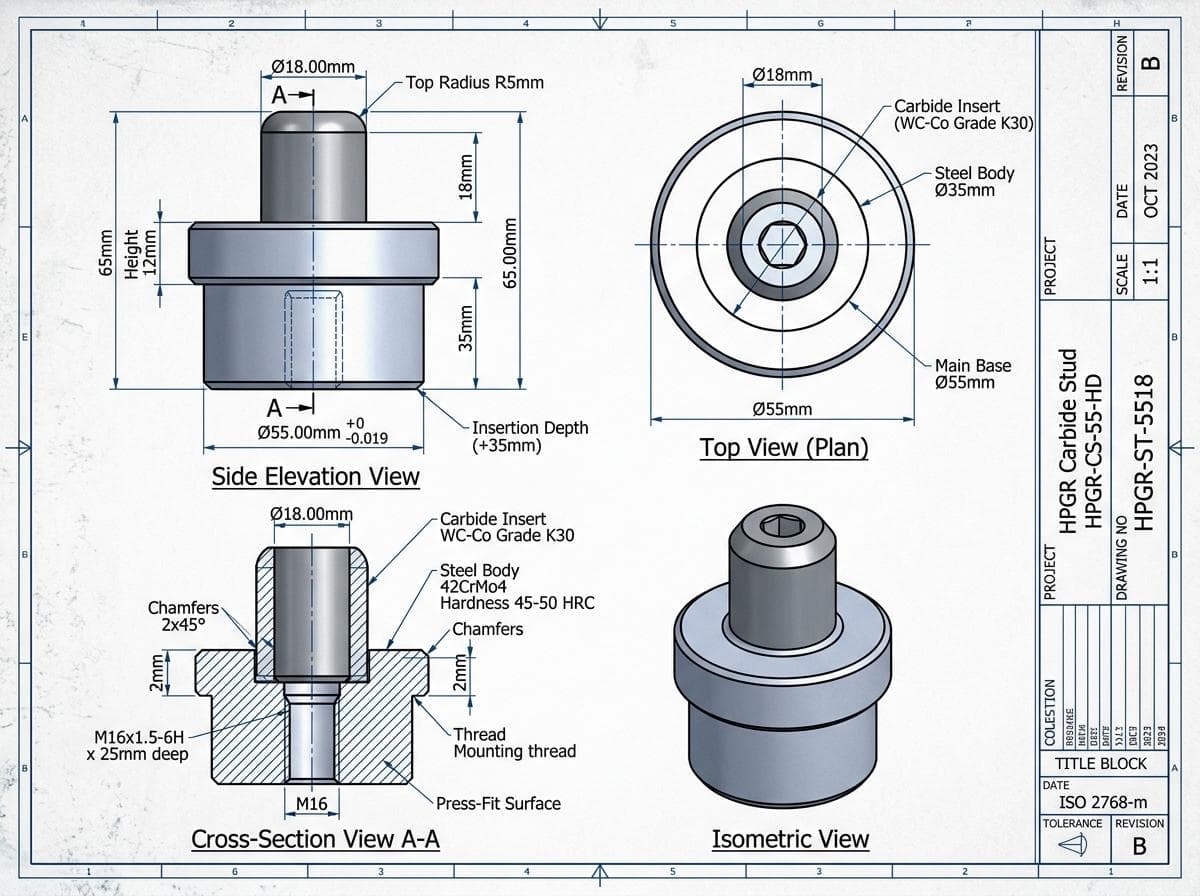
Engineering RFQs can include drawings, samples, grade targets, tolerance notes, working conditions, and report requirements before quotation.
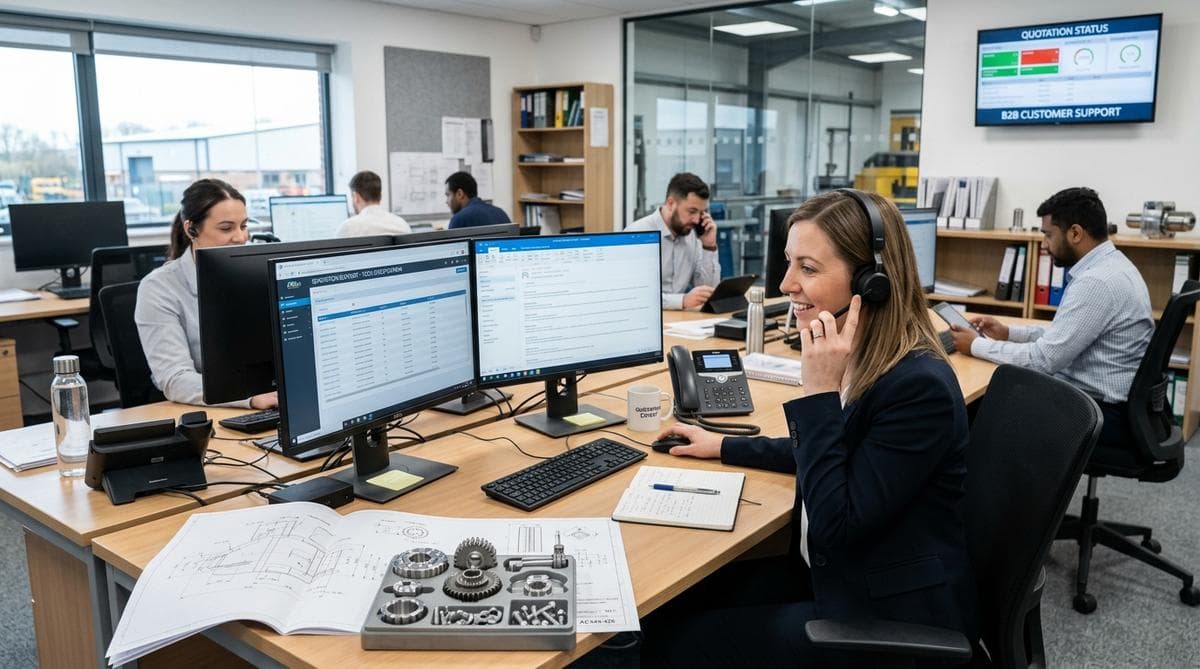
Protective packing, labeling, batch notes, and export-ready documentation are considered before sample, trial, or production shipment.
MOQ: confirmed by grade, size, drawing complexity, and trial or repeat-order demand
Sample / trial order: available for qualified RFQs where size, quantity, and application are clear
Lead time: quoted by stock status, tooling route, machining complexity, inspection scope, and order quantity
Reports: material report, dimensional inspection record, and shipment photos can be discussed before order
Tolerance: typical capability is reviewed against drawings, process route, and critical working surfaces
Export support: protective packing, marking, trade terms, and destination requirements can be aligned before shipment
Quality system: batch traceability, incoming material review, and final inspection are available for repeat supply
Confidentiality: drawings and samples are used for quotation/manufacturability review; NDA available on request
Detailed parameters for your engineering requirements
| Material System | WC-Co |
| Density | 14.0-14.8 g/cm³ |
| Hardness | HRA 86.5-90.0 |
| Transverse Rupture Strength | 2400-3200 MPa |
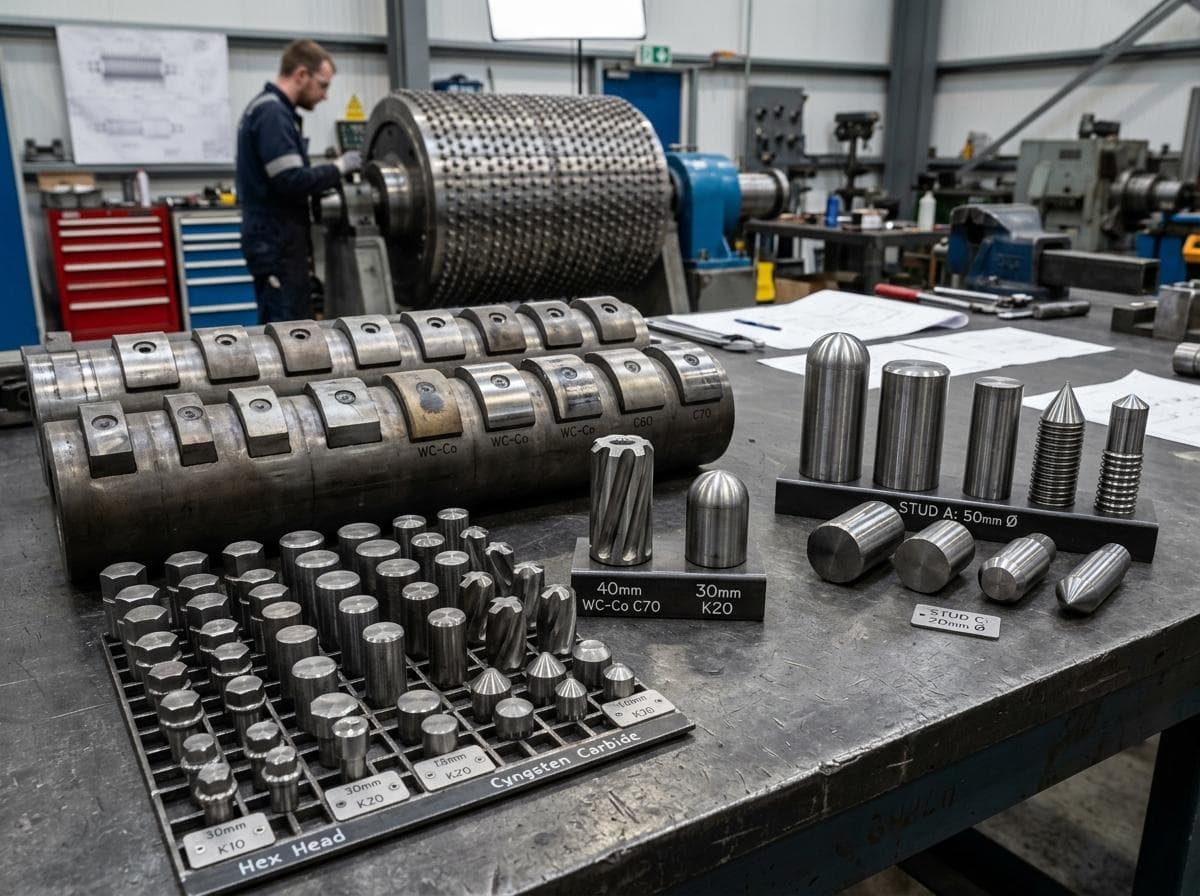
| Shapes | Flat Head, Dome Head, Transition Structure |
| Surface Condition | Sintered, Ground, Assembled State |
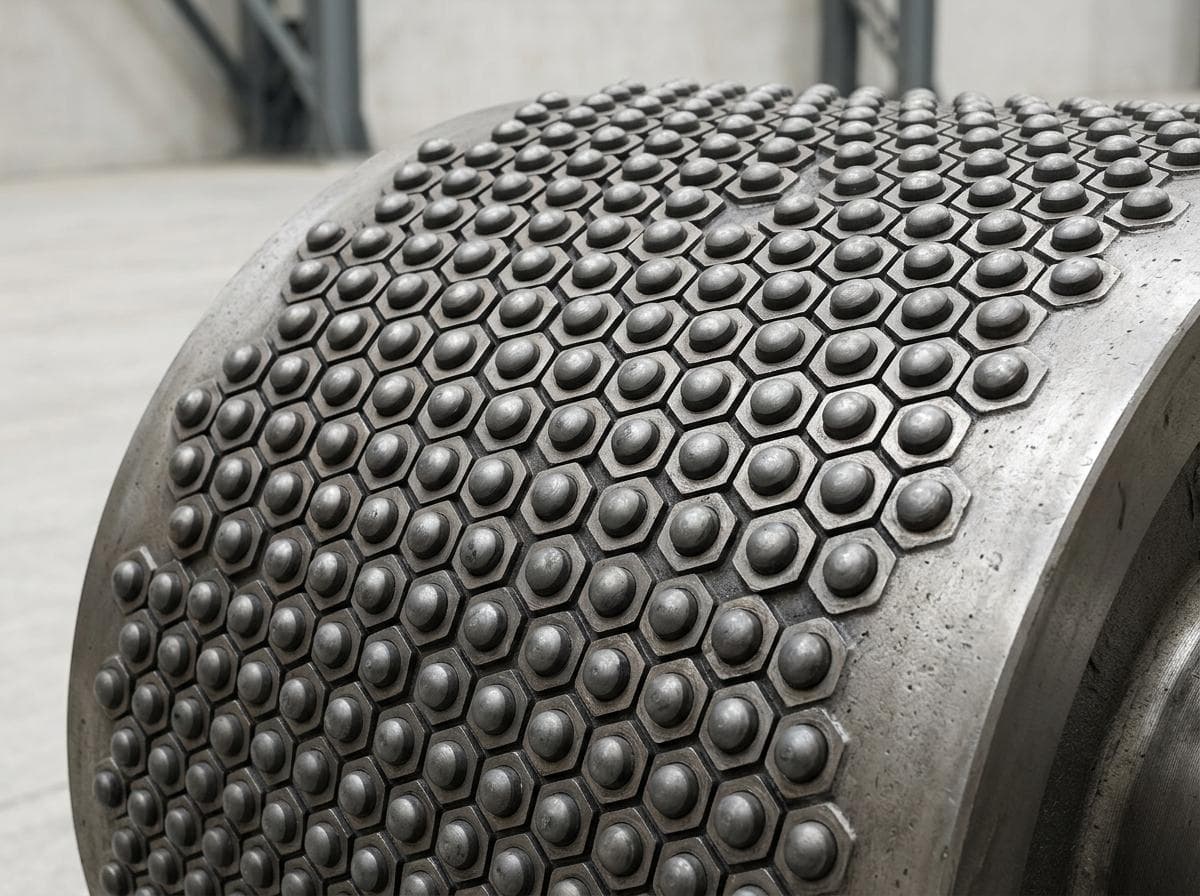
Application-specific supply for industrial production and maintenance teams.
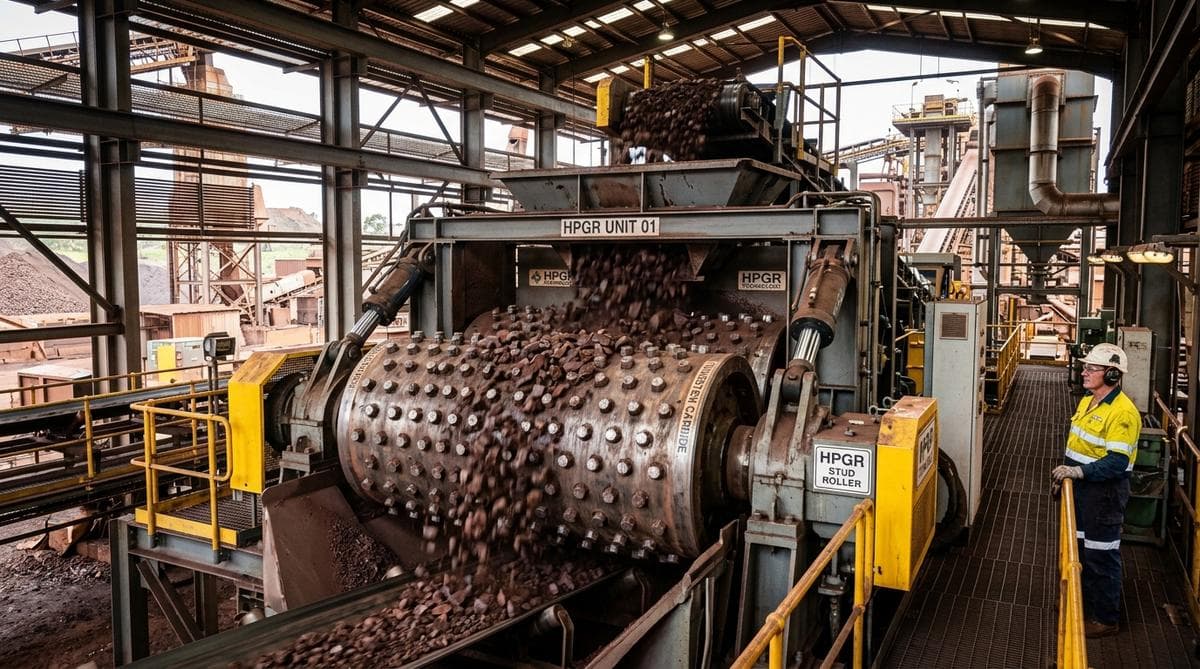
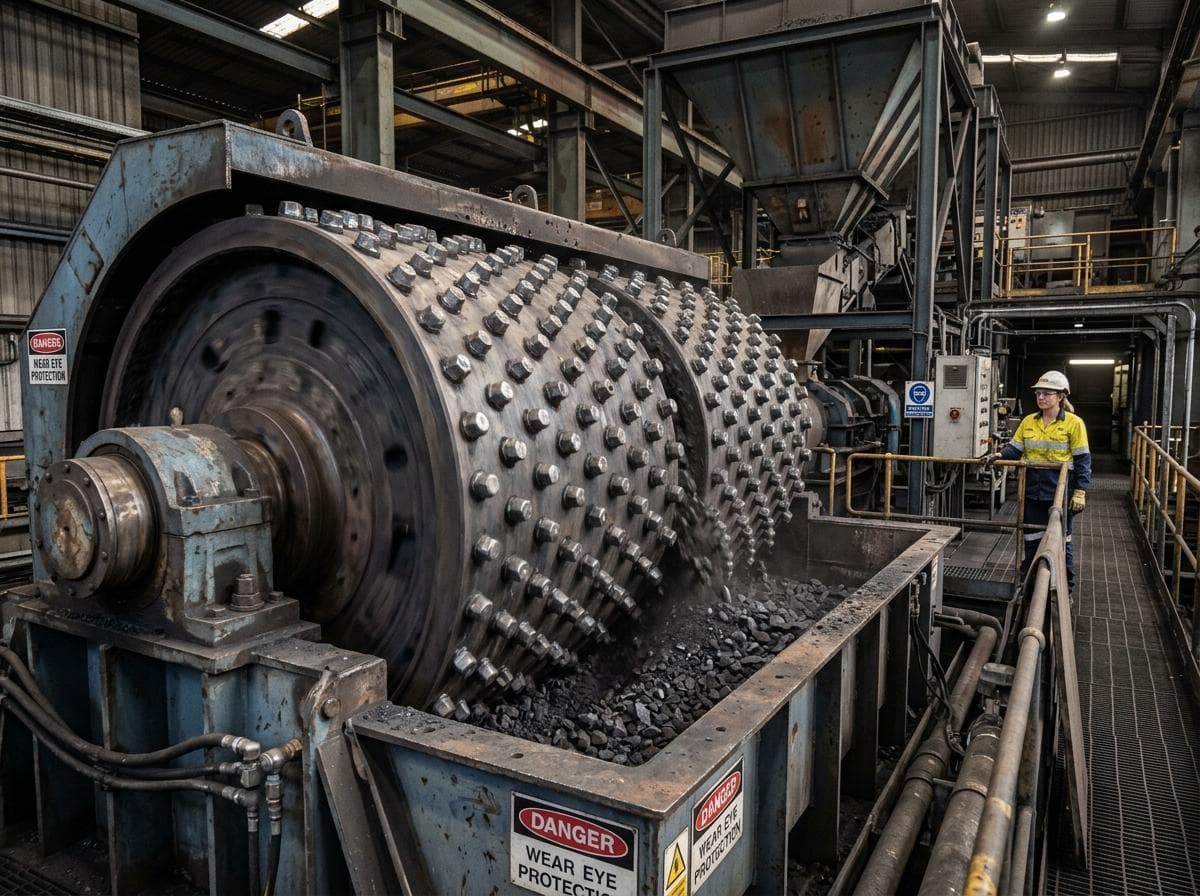
HPGR roller surfaces for iron ore processing lines with intense pressure and continuous material abrasion.
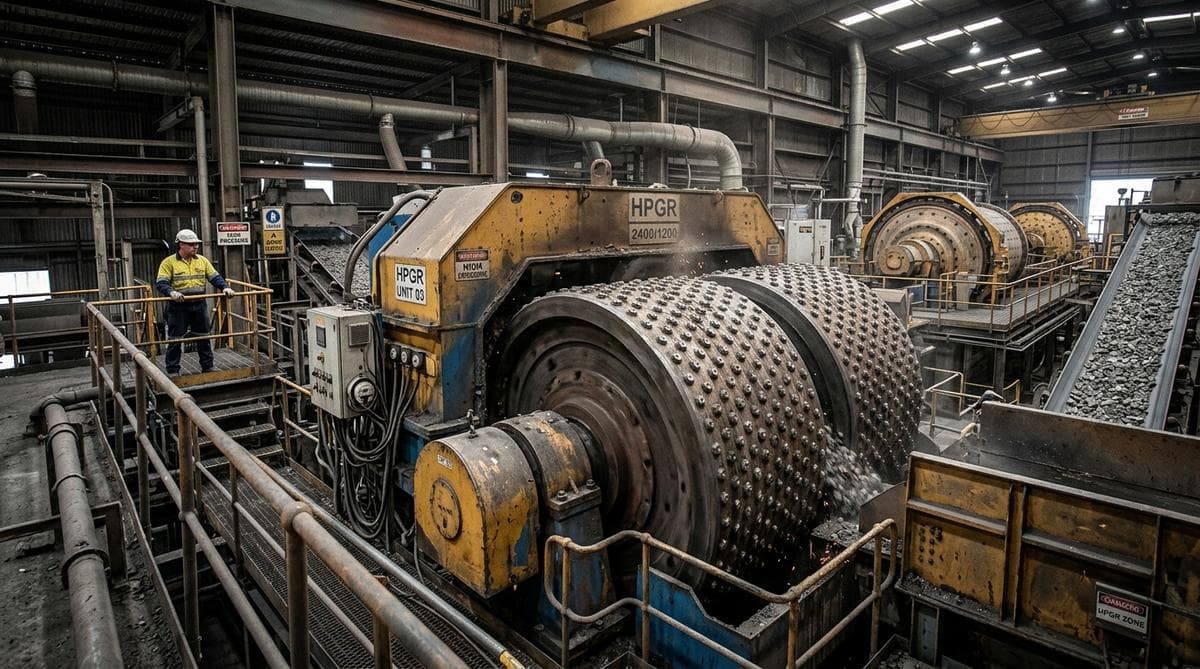
Copper ore, gold ore, and diamond ore HPGR systems where abrasive ores demand high wear resistance.
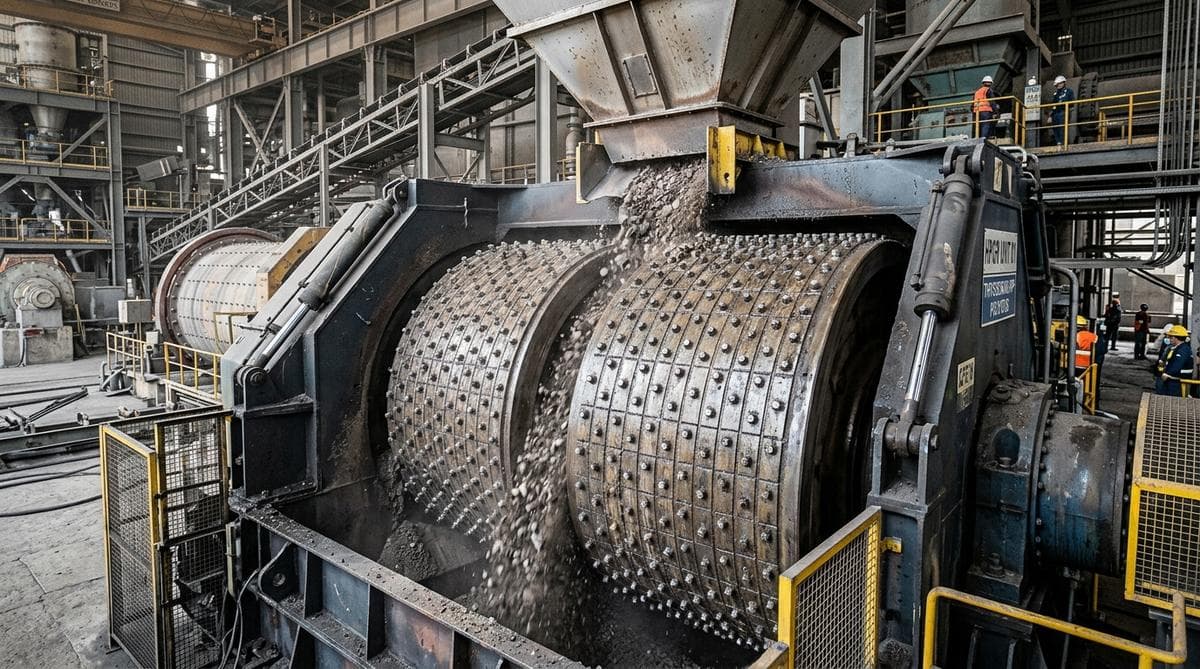
High-pressure roller pressing of cement clinker requiring durable stud performance and roll surface protection.
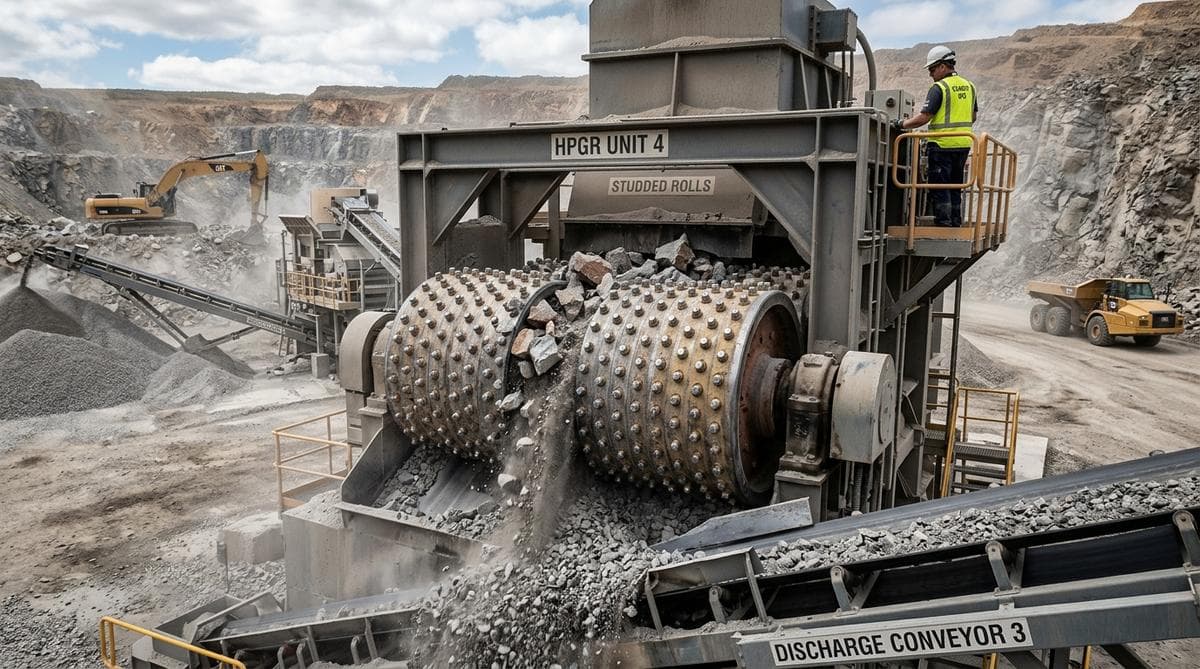
Ultra-fine grinding of industrial minerals and brittle mineral pre-grinding applications.
Explore our precision-engineered materials and components.
Our HPGR Carbide Studs are manufactured for customers who need durable, wear-resistant components for High Pressure Grinding Rolls operating in abrasive and high-load conditions. Designed for demanding applications in mining, iron ore, cement, and aggregate grinding operations.
HPGR Carbide Studs are typically inlaid into roller sleeves or roller surface substrates to form a stable material bed protective layer under high-pressure extrusion, ore particle scouring, and micro-impact combined effects.
We manufacture HPGR carbide studs through controlled powder processing, pressing, vacuum sintering, optional HIP densification, and precision machining.
Choose the right HPGR stud for your application:
For a faster quotation, please include:
1. Stud dimensions or drawing
2. HPGR equipment model or application details
3. Working material such as ore, clinker, or other abrasive feed
4. Required quantity per order or project
5. Performance expectations such as wear life or operating conditions
6. Packaging, delivery, or OEM requirements
Buyer Questions
How this product is quoted, customized, and delivered.
Yes. This product is supplied in standard forms and to customer drawings, including custom dimensions, tolerances, and geometry confirmed during RFQ review.
The MOQ depends on the form and specification. Trial quantities are supported for qualification projects, and the practical minimum is confirmed at quotation.
Use the RFQ form on this page, or send your drawing, material grade, dimensions, quantity, and service condition to sales@tungstenmetal.com or WhatsApp +86 18673398527.
Yes. We export worldwide from Zhuzhou, Hunan, China with export-ready packaging, documentation, and shipment tracking for OEM and distributor customers.
Send us your stud dimensions, equipment details, and quantity requirements for a fast quotation and application-focused recommendation.
Use the popup for quotation, drawing review, and application details.
Related Products
See the full range on the all products page.