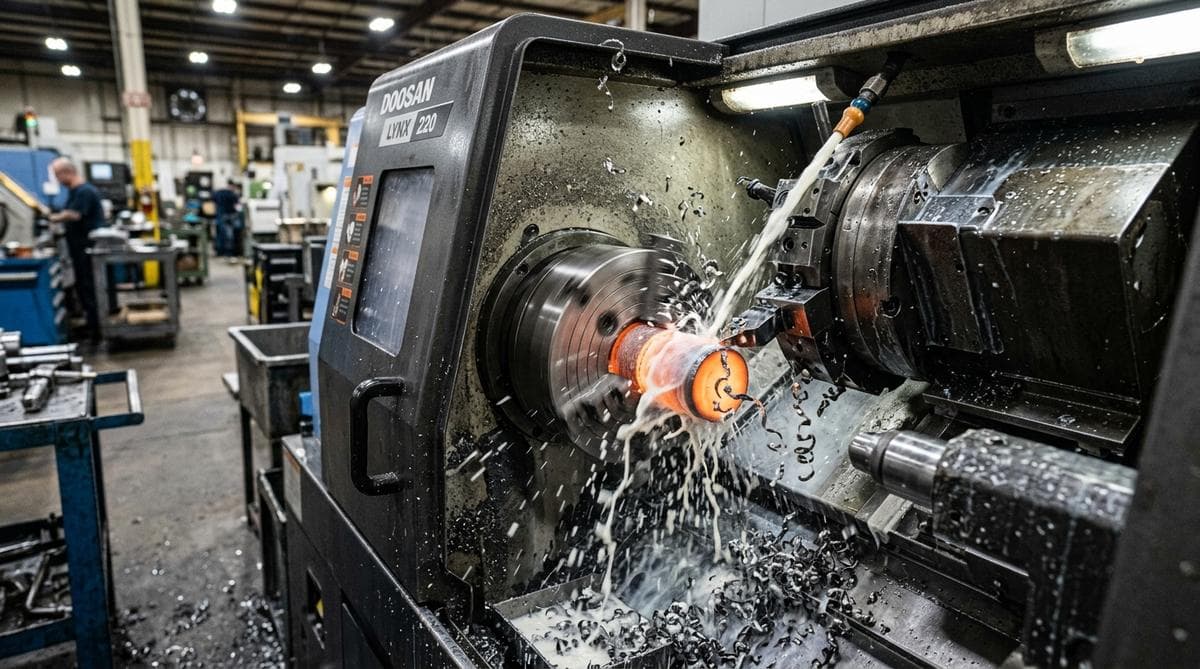
Factory production workflow
Material preparation, forming or machining route, finishing, inspection, packing, and shipment are reviewed as one supply workflow, not as isolated catalog items.
Composite material solutions for electronic assemblies that need high heat dissipation and controlled thermal expansion.
Upload drawings, specifications, or repeat-order details in the popup.
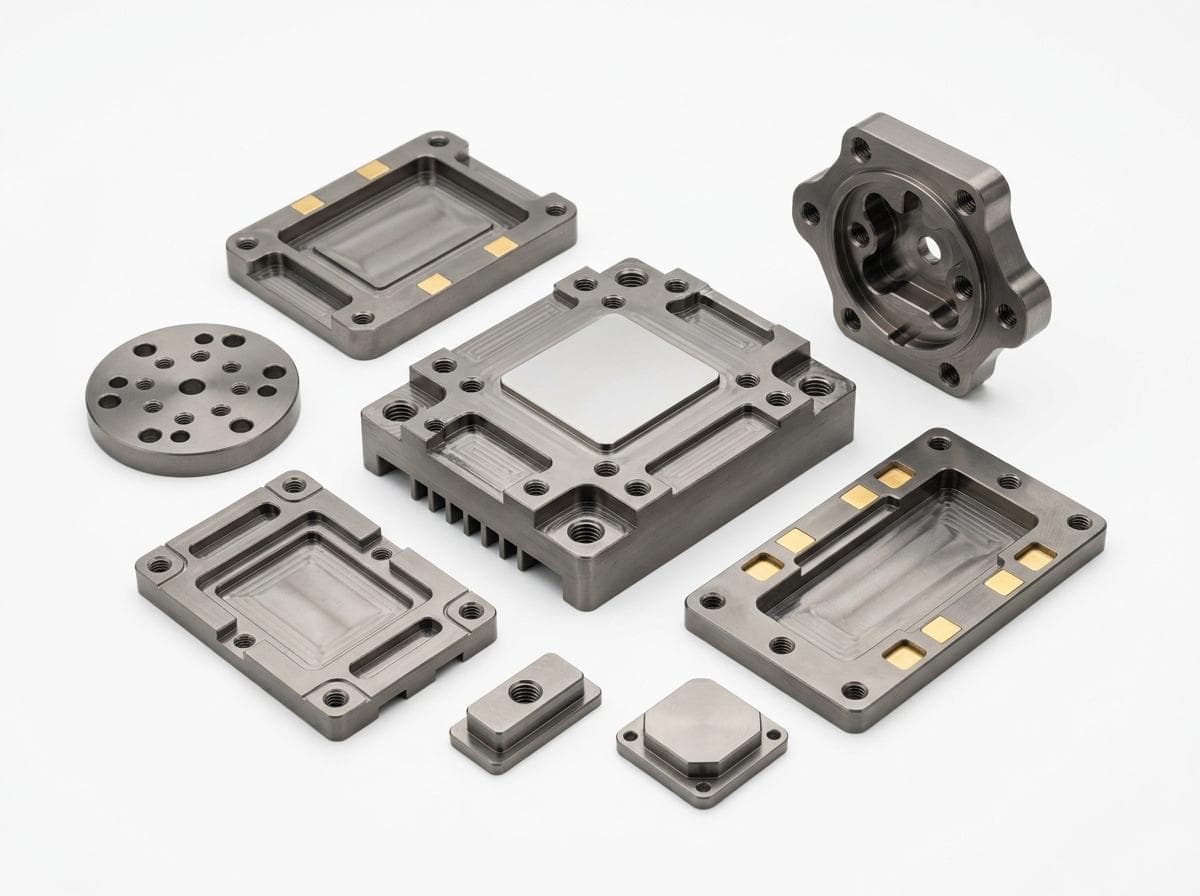
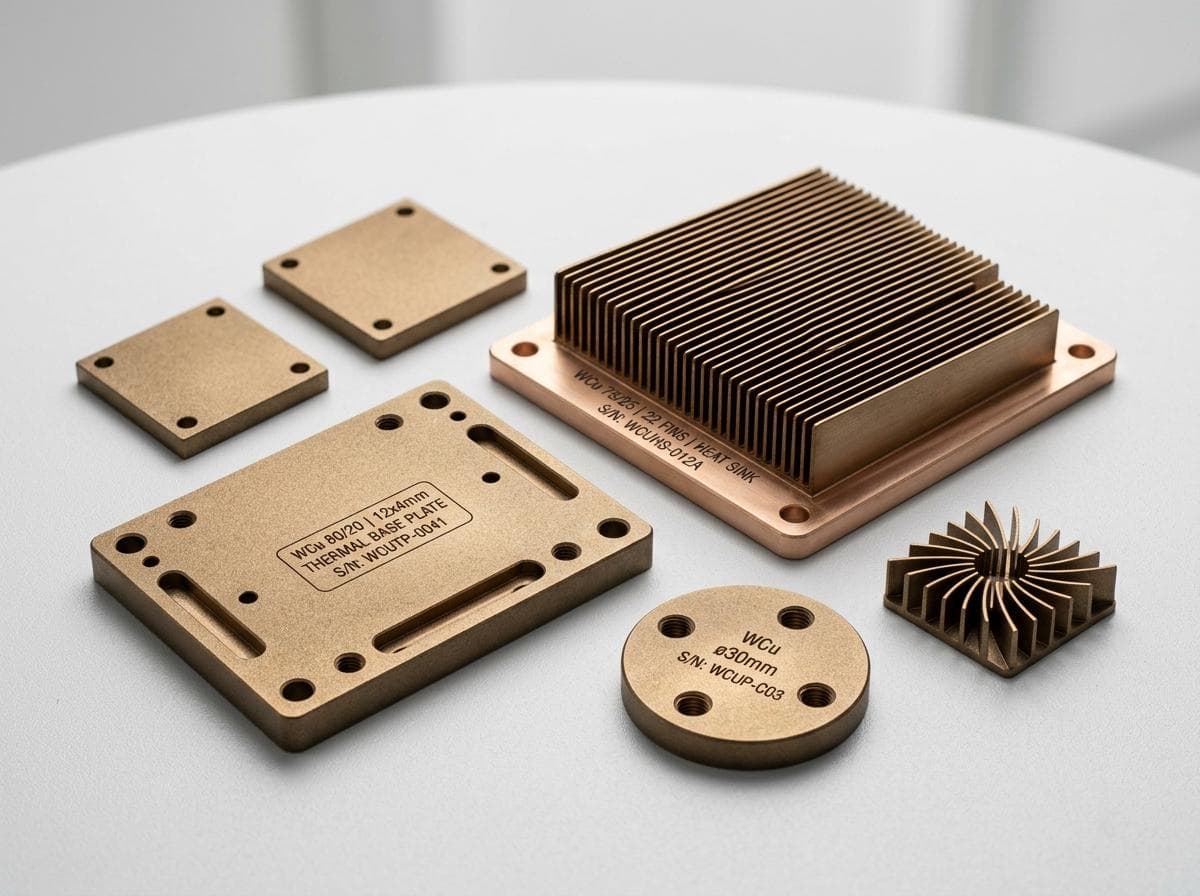
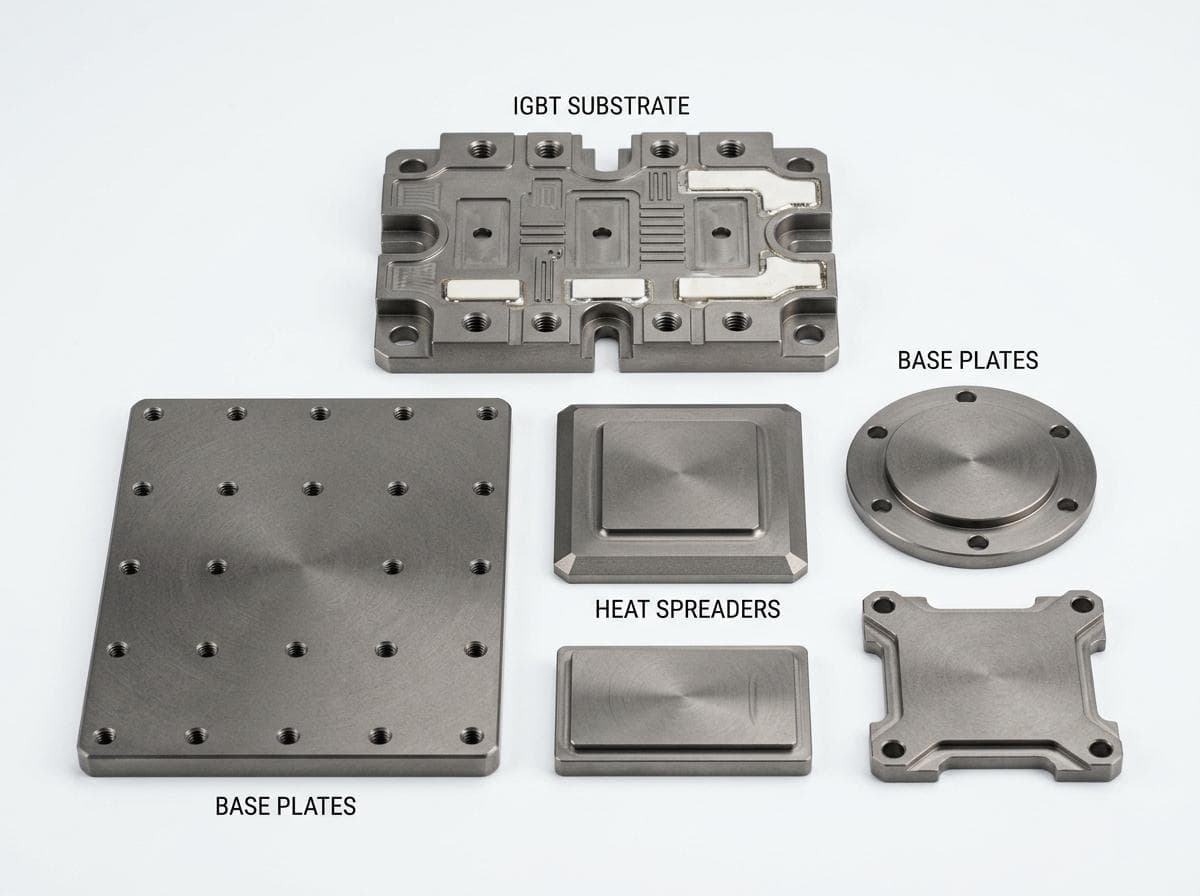
Manufacturing details, inspection discipline, and RFQ clarity for industrial buyers.
Thermal conductivity >170-210 W/m·K supporting high heat flux device heat dissipation.
Lower thermal expansion coefficient than copper, beneficial for packaging reliability.
Good dimensional stability under thermal load for precision-machined thermal parts.
Supports grade matching for different structures and thermal design requirements.
Suitable for IGBT, power modules, RF devices, and high-density electronic designs.
Can supply semi-finished or precision machined parts per drawings.
Hard Proof for Buyers
Industrial buyers need more than broad claims like high performance or stable quality. This section shows the practical proof points we can discuss before quotation: factory workflow, inspection control, report availability, MOQ, lead time, packing, and export support.
Material preparation, forming or machining route, finishing, inspection, packing, and shipment are reviewed as one supply workflow, not as isolated catalog items.

Dimensional checks, surface review, batch identification, and inspection records can be aligned with the product drawing, specification, or repeat-order requirement.

Engineering RFQs can include drawings, samples, grade targets, tolerance notes, working conditions, and report requirements before quotation.
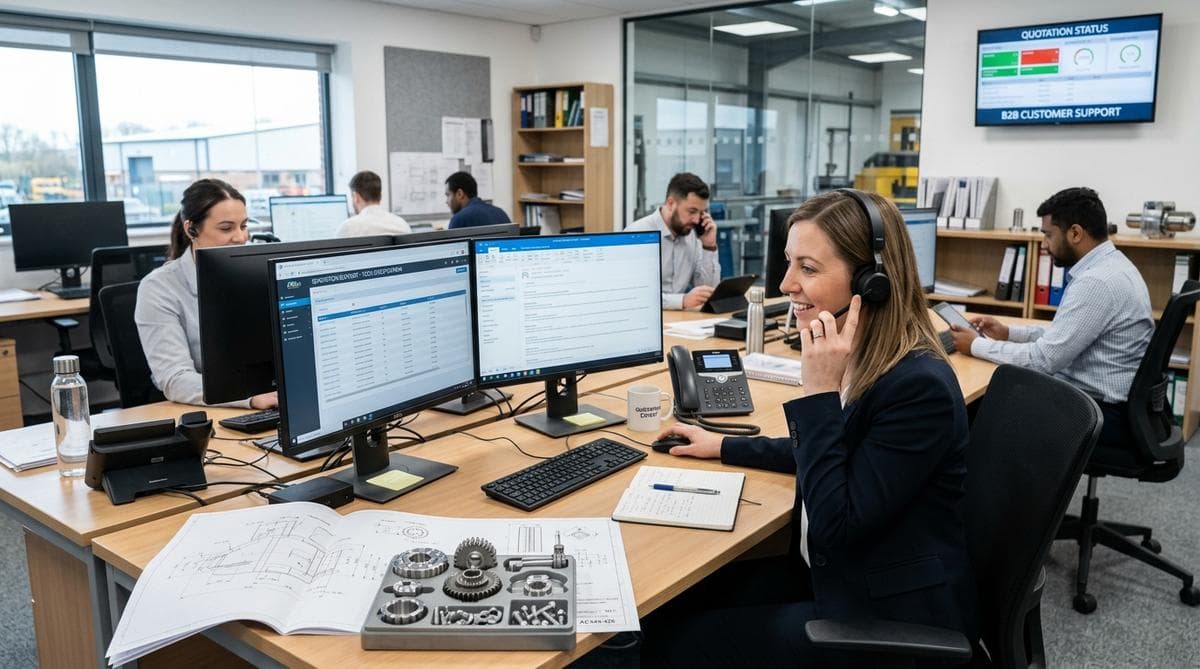
Protective packing, labeling, batch notes, and export-ready documentation are considered before sample, trial, or production shipment.
MOQ: confirmed by grade, size, drawing complexity, and trial or repeat-order demand
Sample / trial order: available for qualified RFQs where size, quantity, and application are clear
Lead time: quoted by stock status, tooling route, machining complexity, inspection scope, and order quantity
Reports: material report, dimensional inspection record, and shipment photos can be discussed before order
Tolerance: typical capability is reviewed against drawings, process route, and critical working surfaces
Export support: protective packing, marking, trade terms, and destination requirements can be aligned before shipment
Quality system: batch traceability, incoming material review, and final inspection are available for repeat supply
Confidentiality: drawings and samples are used for quotation/manufacturability review; NDA available on request
Detailed parameters for your engineering requirements
| Material System | W-Cu Composite |
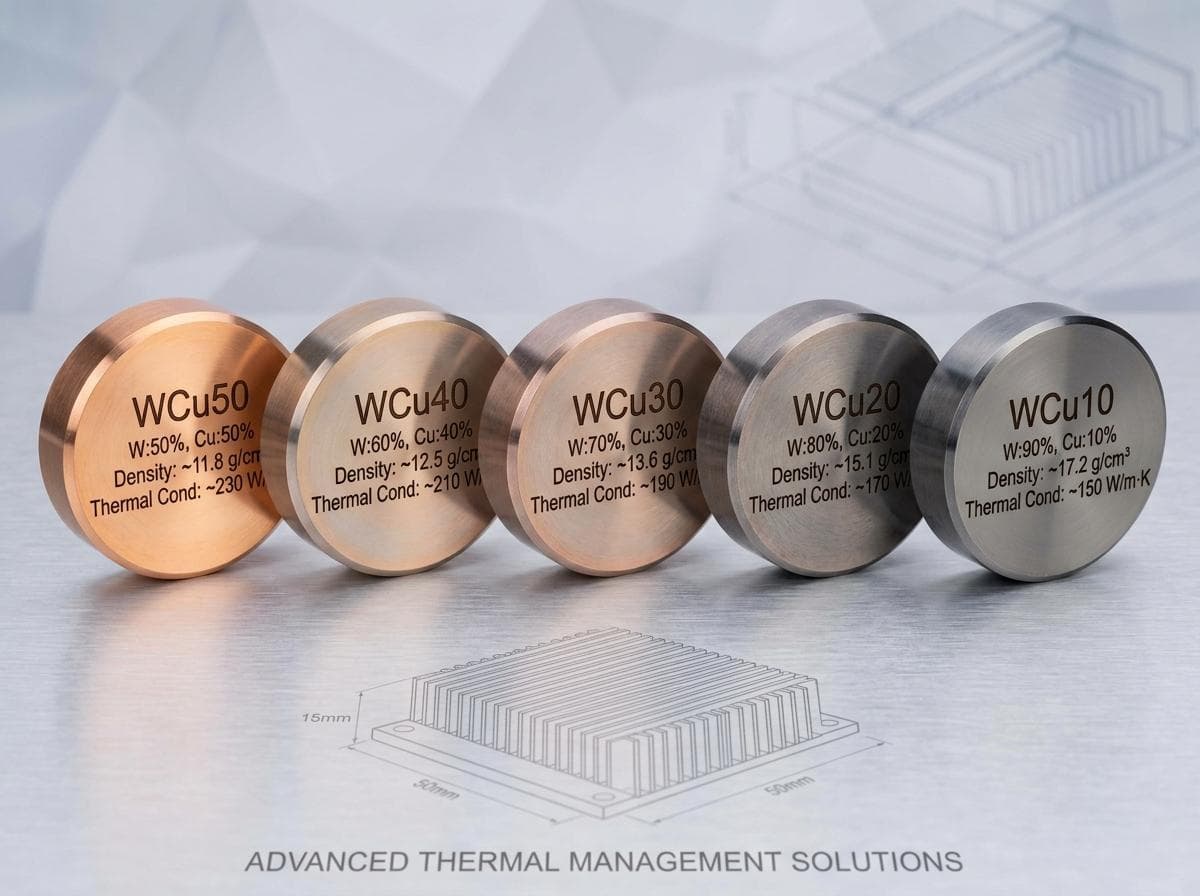
| Grade Range | WCu10 to WCu50 (Cu 10–50 wt%; e.g., WCu20 = W80/Cu20) |
| Thermal Conductivity | 170–210 W/(m·K) typical, by grade |
| Product Forms | Plates, Blocks, Discs, Custom Parts |
| Processing | Semi-finished or Machined per Drawing |
| Surface Condition | Machined, Ground, Substrate before Plating |
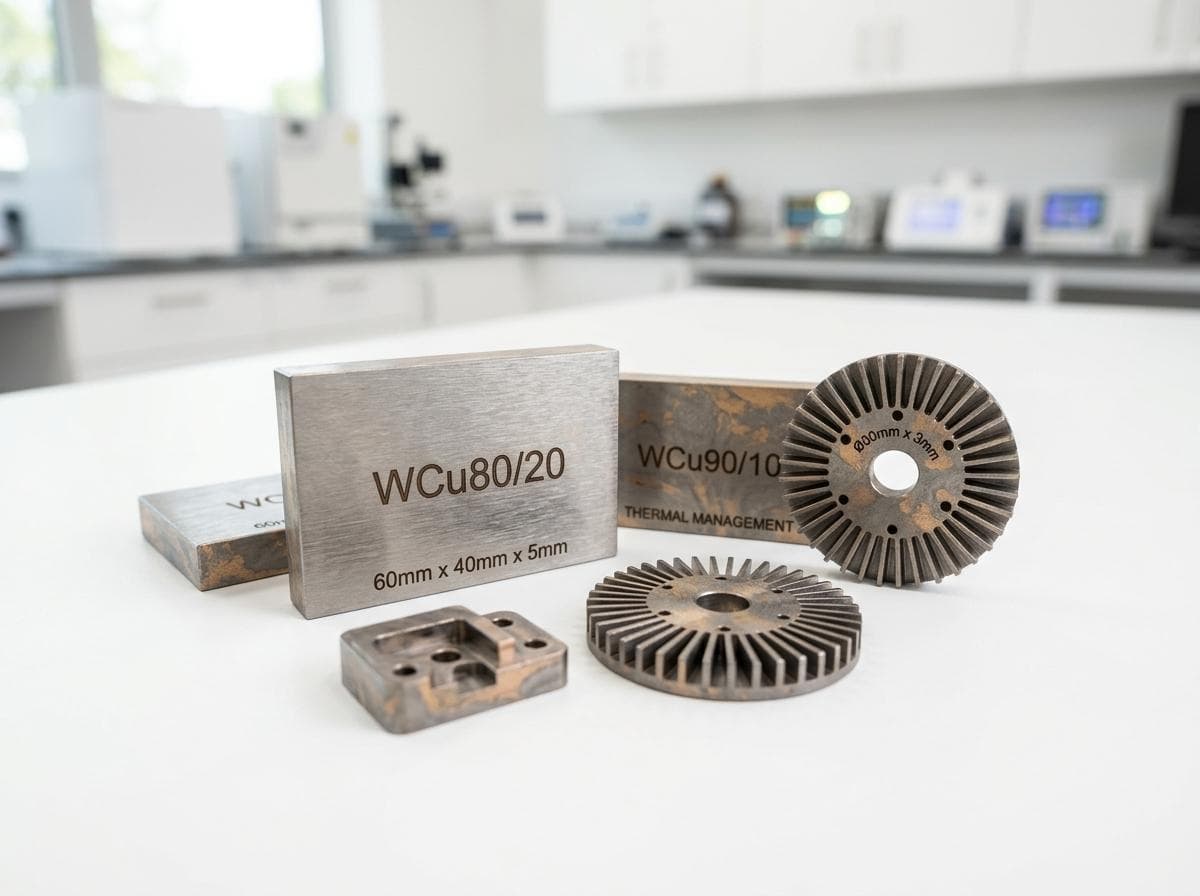
Application-specific supply for industrial production and maintenance teams.
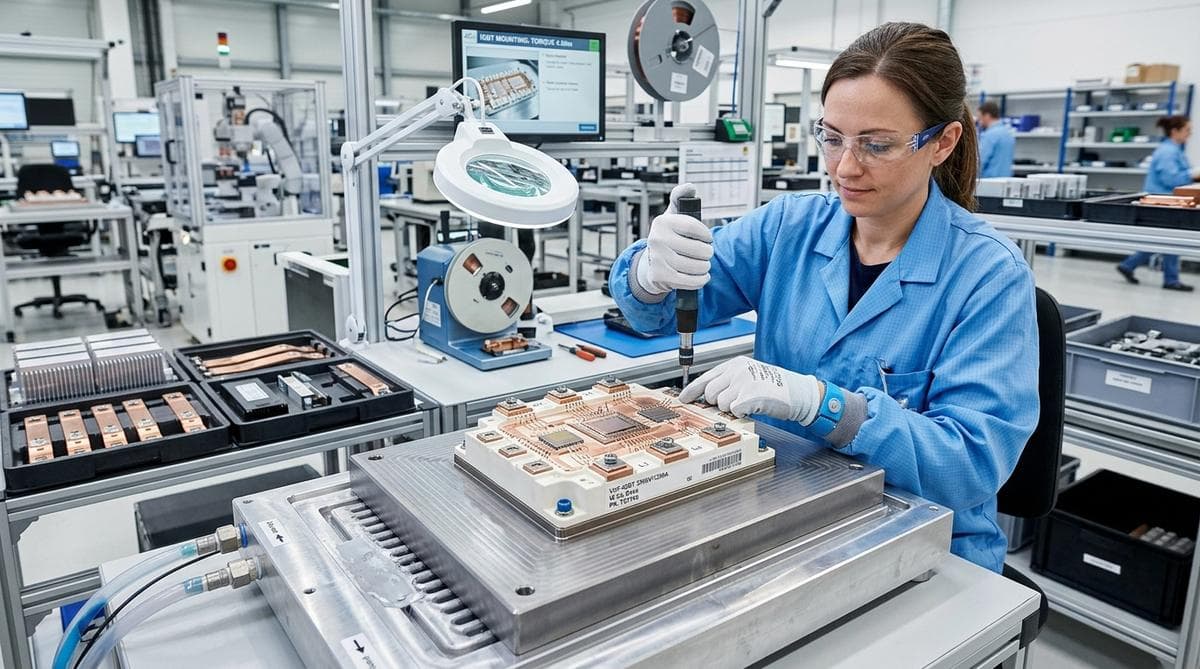
IGBT, power modules, and high-power semiconductor packaging with bottom plates and heat sinks.
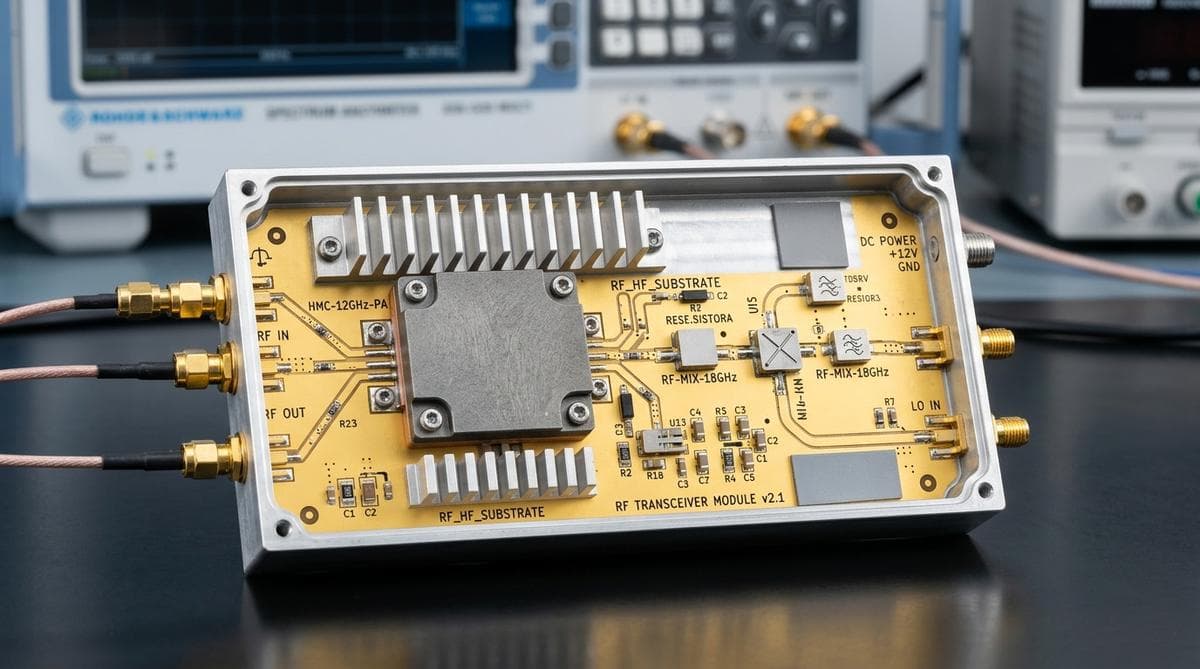
Microwave devices and RF modules requiring high-stability heat dissipation and structural bases.
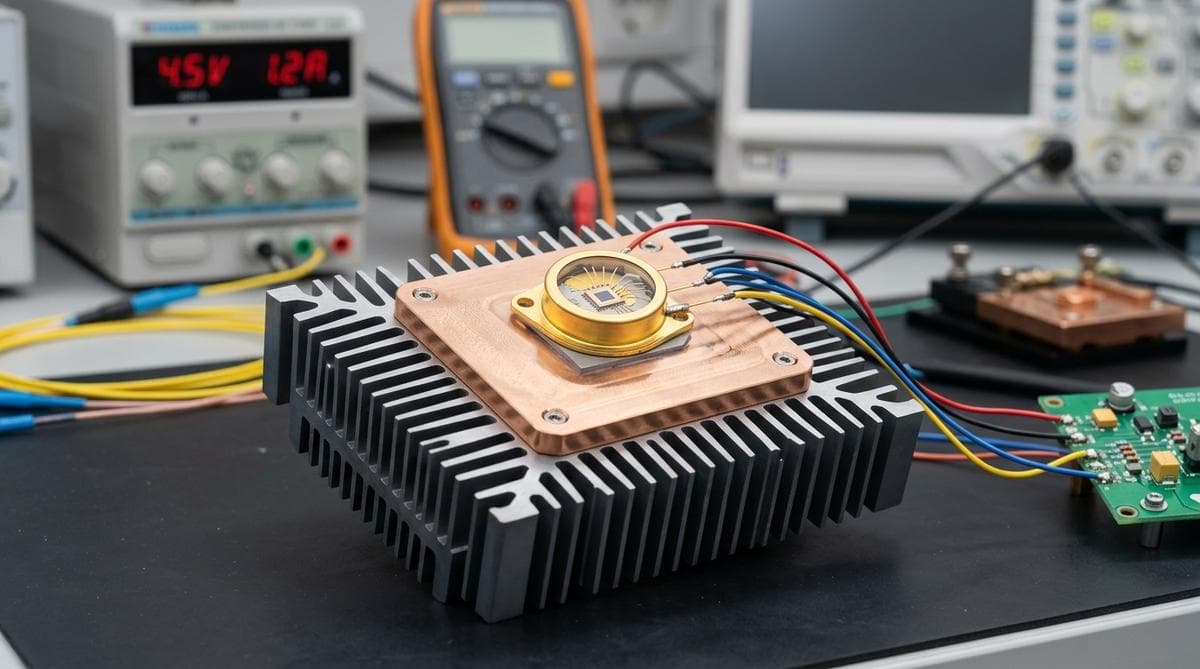
Lasers, optoelectronic devices, and heat dissipation bases for high heat flux devices.
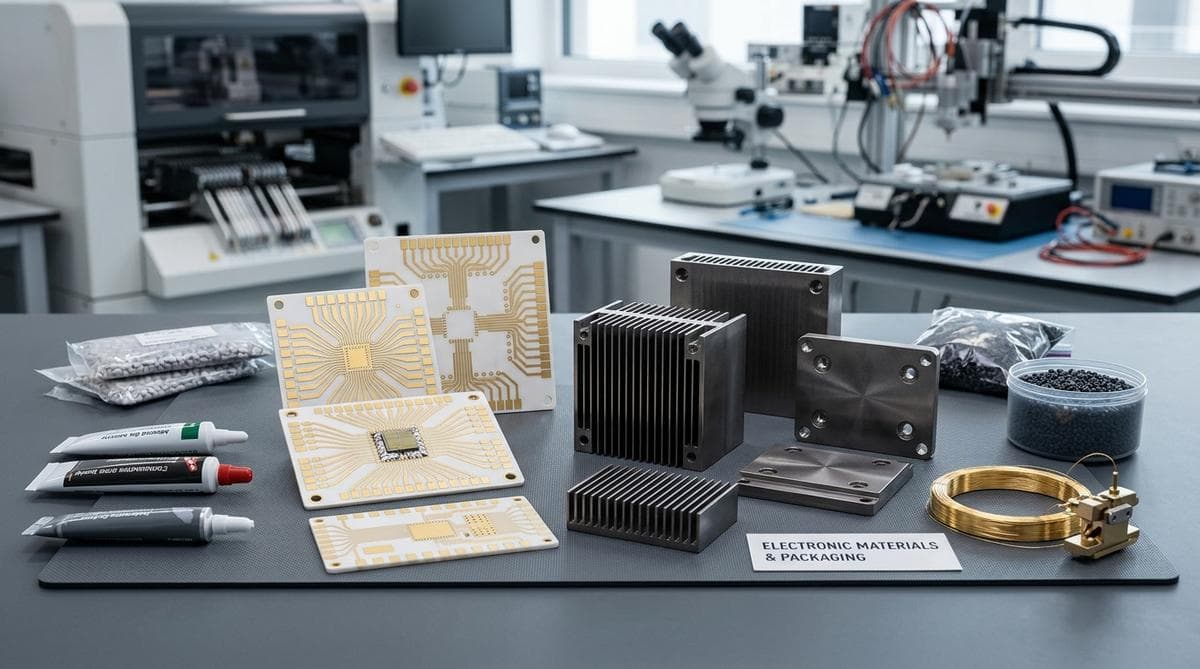
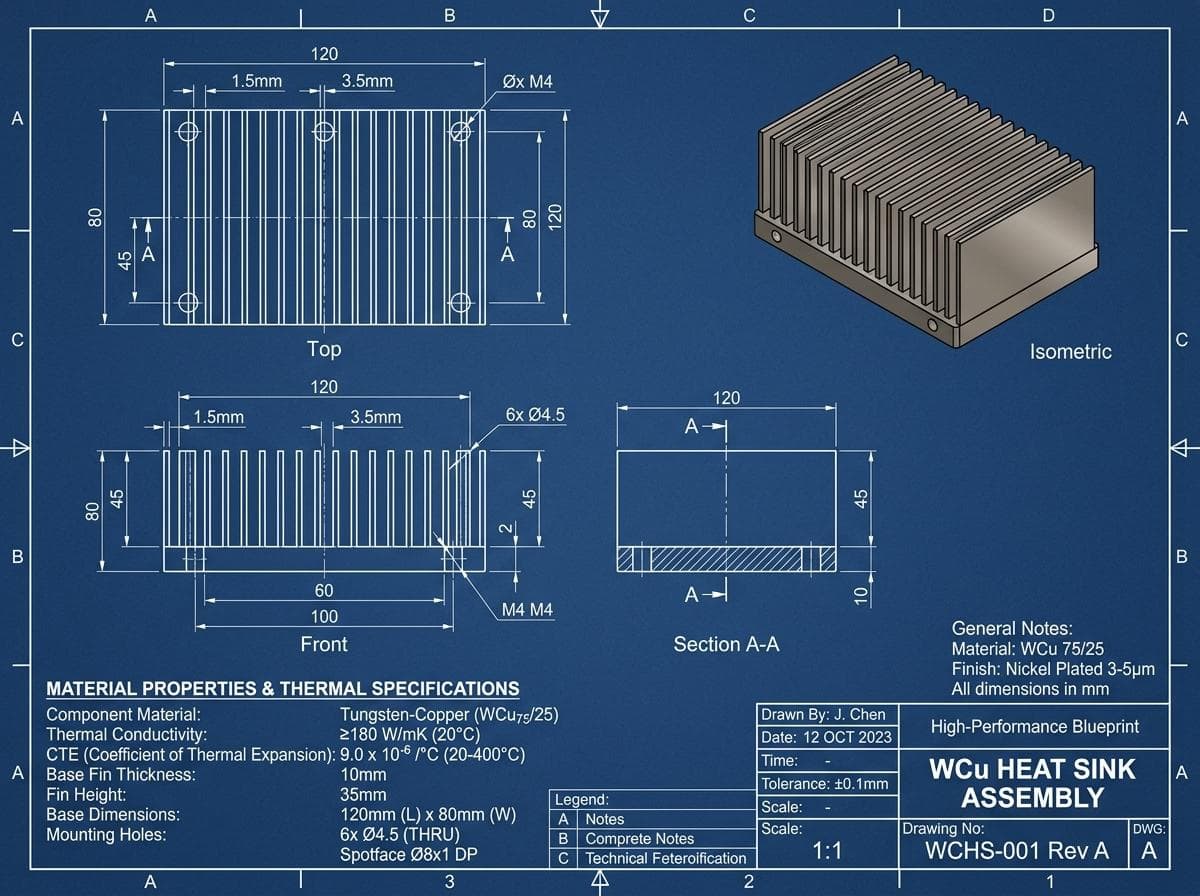
Heat sinks, substrates, heat dissipation blocks, and base plates for thermal management.
Explore our precision-engineered materials and components.
In electronic packaging, the material must move heat away from the device while staying compatible with the expansion behavior of adjoining materials. Tungsten copper is widely used for this reason.
WCu Electronic Packaging Materials are composite material systems composed of tungsten and copper, combining the low thermal expansion and high strength of tungsten with the high thermal conductivity and electrical conductivity of copper.
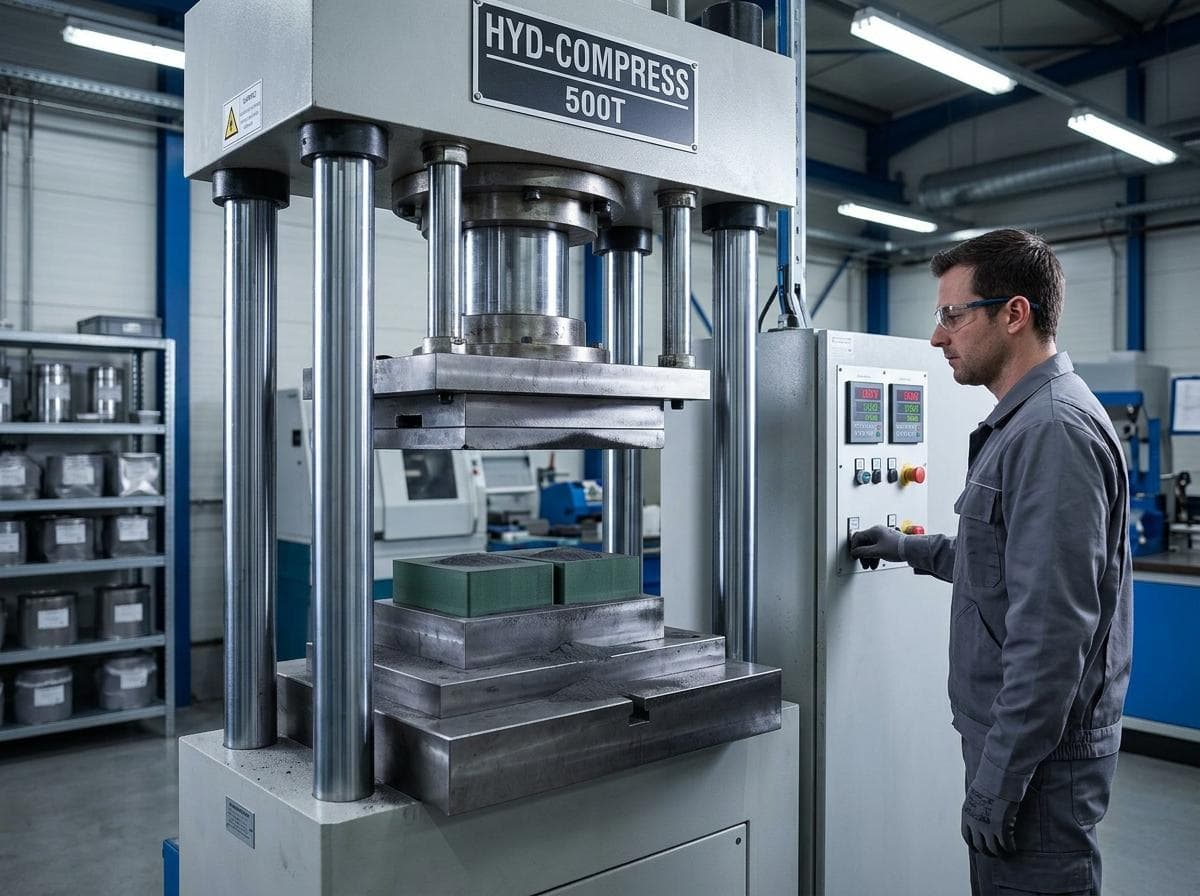
WCu electronic packaging materials are typically manufactured using tungsten skeleton sintering followed by copper infiltration for uniform structure and stable performance.
Choose the right WCu grade for your application:
For thermal management components, please include:
1. Required WCu grade or target thermal conductivity level
2. Part drawings or target dimensions
3. Whether flatness or precision machining is required
4. End application type (power module, RF device, laser, etc.)
5. Whether plating, brazing, or packaging process is involved
6. Batch requirements
Buyer Questions
How this product is quoted, customized, and delivered.
Yes. This product is supplied in standard forms and to customer drawings, including custom dimensions, tolerances, and geometry confirmed during RFQ review.
The MOQ depends on the form and specification. Trial quantities are supported for qualification projects, and the practical minimum is confirmed at quotation.
Use the RFQ form on this page, or send your drawing, material grade, dimensions, quantity, and service condition to sales@tungstenmetal.com or WhatsApp +86 18673398527.
Yes. We export worldwide from Zhuzhou, Hunan, China with export-ready packaging, documentation, and shipment tracking for OEM and distributor customers.
Send device type, thermal design goals, or part drawings, and we will help match more suitable grades, processing methods, and delivery specifications.
Use the popup for quotation, drawing review, and application details.
Related Products
See the full range on the all products page.